

There are cars where just mentioning a single keyword is enough for people to picture their character at first sight, at first feel. Say “VTEC” and you think of the high-revving snarl of a Honda engine. Hear “quattro” and you immediately think of an Audi gripping the road like a lizard clinging to a wall. Just like that.
None of this is a coincidence.
In the auto industry, carmakers know exactly how to turn lofty technical jargon and abstract design philosophies into catchy, memorable keywords that capture a slice of a brand’s identity. Here are 15 standout names.
Honda: VTEC
VTEC was born in the 1980s and first went into mass production on the Integra and Civic near the end of that decade. Short for Variable Valve Timing and Lift Electronic Control, VTEC allows the engine to switch between two different camshaft profiles while it is running.
At low RPM it is docile, fuel-efficient, and well-behaved. But once the revs hit a certain threshold, the third cam lobe in the middle of the camshaft kicks in and the engine literally transforms: power surges, the exhaust note sharpens, and the driving feel changes character entirely.
That is why an entire generation of JDM enthusiasts, especially tuners and underground racers, treat VTEC as something like a rite of passage. Later, when the “i” for intelligent was added to make it i-VTEC, Honda did not abandon that fiery character but simply made it smarter, balancing performance against emissions.
VTEC, it turns out, is not confined to variable valve technology alone. It is Honda’s brand promise: even a mainstream carmaker can hide a sporting heart in its chest, waiting for the needle to hit the red zone to reveal itself fully.
Ford: EcoBoost
Launched in 2009 after Ford partnered with FEV Engineering, EcoBoost packs into its very name a paradox the entire industry was trying to resolve at the time: how to be “Eco,” fuel efficient and low emission, while also being “Boost,” powerful and forceful.
The secret lies in combining three technologies: direct fuel injection, turbocharging, and variable valve timing, which let a compact engine, sometimes as small as the 1.5L unit in the Ford Territory, produce output on par with engines of much larger displacement.
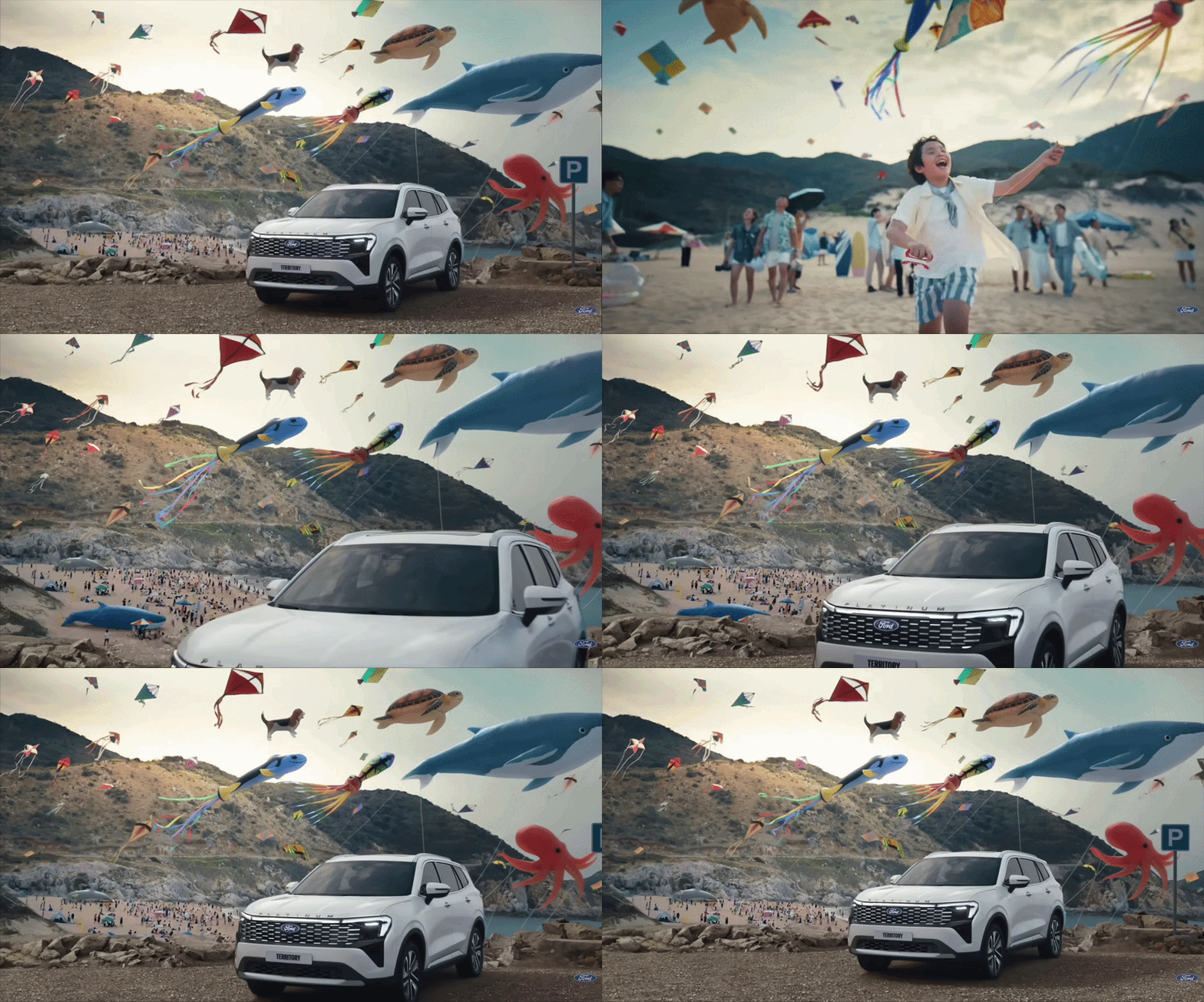
This is the “downsizing” philosophy Ford deliberately pursued: cut the number of cylinders to reduce friction and weight, then make up for all the lost power with intake pressure. From the humble little Fiesta of years past to the SUV king Everest or the mighty 3.0L Raptor, EcoBoost became Ford’s statement that efficiency and power are not opposing choices. They can go hand in hand.
Mazda: Skyactiv
Skyactiv is not a single component but a holistic view of the car itself. The engine, transmission, chassis, body, and even the seats are all designed from the ground up to serve one single purpose: a driving feel as natural as breathing.
Launched in 2011, Skyactiv is tied to Mazda’s “Jinba Ittai” philosophy, a concept more than two thousand years old that originates from mounted archery and speaks to the oneness between horse and rider, in this case, between driver and car.
The Skyactiv-G engine pushes the compression ratio to an unusually high level for a gasoline engine, something engineers used to avoid because of the risk of knocking, in exchange for better combustion efficiency.
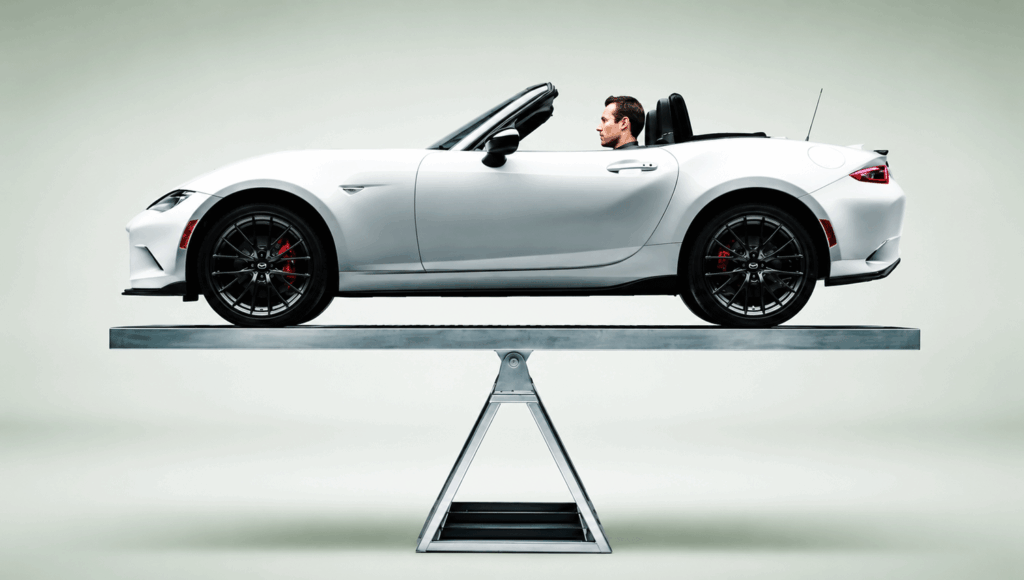
The Skyactiv-Vehicle Architecture chassis takes inspiration from the way the human body balances while walking, distributing force evenly along the spine instead of concentrating it at one point.
The result is that models like the Mazda3 and CX-5 are not only 15 to 20 percent more fuel efficient than the previous generation, they also deliver a driving feel that the Suốt Ngày XE community recognizes as unmistakably Mazda.
Subaru: EyeSight
While most of the industry chose radar, or a combination of radar and a single camera, to detect obstacles, Subaru chose to mimic the human eye itself.
EyeSight uses a pair of stereo cameras mounted behind the windshield, working like two eyes to reconstruct a three-dimensional image and judge the distance and size of objects ahead in a way that a single-sensor system would struggle to match.
Introduced in Southeast Asia in January 2018, EyeSight quickly became the fourth pillar of safety alongside three other Subaru engineering legacies: the low-center-of-gravity horizontally opposed Boxer engine, the symmetrical full-time all-wheel-drive system S-AWD, and the global SGP platform.
Subaru’s predecessor was once part of a group that built aircraft, where safety was never an option but a matter of survival. When EyeSight detects a risk of collision, it brakes automatically, maintains distance, and can even bring the car to a complete stop.
For someone behind the wheel of a Forester or an Outback, EyeSight is more than just an equipment package. It speaks for the brand, saying that Subaru watches the road with the almost instinctive caution of a pilot.
Suzuki: Sho Sho Kei Tan Bi
This is probably the hardest keyword to pronounce on this list, yet it most clearly reflects the identity Suzuki has pursued for over a century. Born as a corporate policy to mark the company’s hundredth anniversary, “Sho Sho Kei Tan Bi” literally means “smaller, lighter, shorter, more refined” in Japanese.

It sounds simple, but behind it lies an entire engineering philosophy. As the world tightens CO2 emission standards, instead of racing to add complex technology as a band-aid fix for cars that keep growing bigger and heavier, Suzuki chose to solve the problem at its root by shrinking the car itself.
A lighter car does not need a big engine, and a small engine emits less. Suzuki points to models built on the Heartech platform, such as the Jimny, Swift, and Fronx made in Japan, whose average weight sits noticeably below the industry norm.
The Suzuki Fronx is seen as the first embodiment of this not-so-new strategy: small but capable enough, light but still good looking. At a time when “bigger” is equated with “more premium,” Suzuki is betting on the opposite: small, light, and gentle, the more you drive it, the more fuel you save.
Mitsubishi: Dynamic Shield
For decades, going back to the Outlander era, Mitsubishi models lacked a common thread that people could recognize at first glance, until designer Tsunehiro Kunimoto took over as global design director and decided that if the brand was going to change, it had to start with its face.
Dynamic Shield was born with a large X shape that dominates the front of the car, formed by chrome trim running beneath the headlights and around the grille. But this is not just a game of shapes. The philosophy behind Dynamic Shield is “form follows function,” where beauty comes from purpose. Now with KAKU, TAN, JUN.
The headlights are positioned low, beneath the front bumper, while the daytime running LEDs occupy the traditional headlight position, helping oncoming drivers recognize a Mitsubishi without being dazzled. The structural connection between the front end and the frame is also engineered to absorb impact force in a collision, protecting both the occupants and anyone outside the vehicle.
The phenomenon that was the Xpander, launched on August 8, 2018, was the first model to carry this design language, paving the way for a string of successors: the Xforce, the Destinator, and soon an all-new Pajero Sport that will make its appearance in Vietnam before long.
Kia: Tiger Nose
Before 2006, Kia barely registered on the global automotive map. The turning point came when the company recruited Peter Schreyer, the German design wizard who had already left his mark at Audi and Volkswagen.
Believing the grille to be the “face” of a car, a temple for the gods, Schreyer chose to change this part first, and at the Frankfurt Motor Show in 2007 the “Tiger Nose” grille was officially born, inspired by the fierce shape of a tiger.
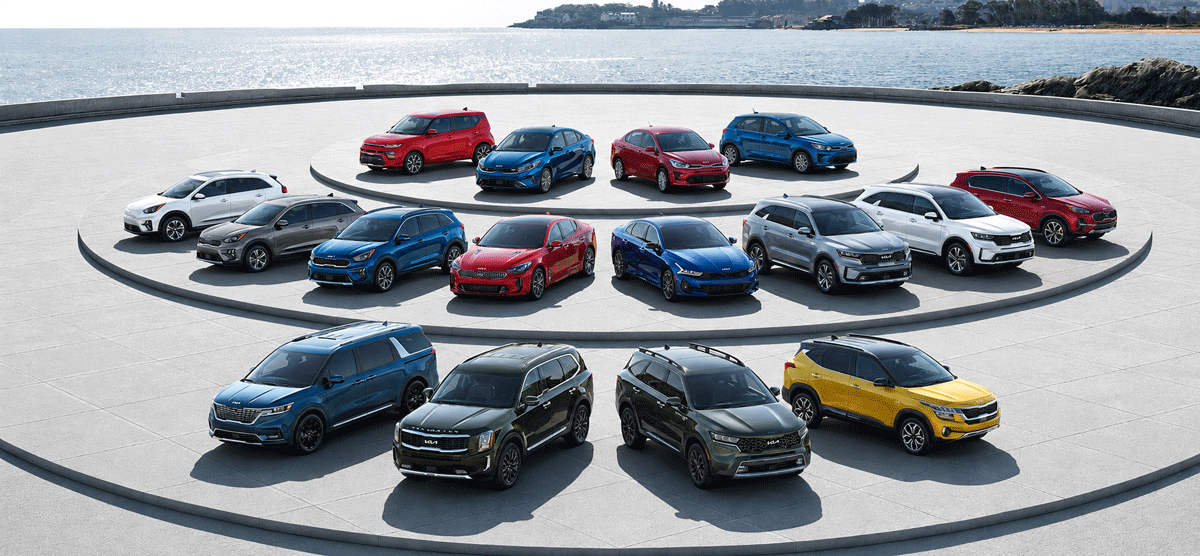
The grille’s outline narrows in the middle and widens toward the sides like a set of fangs, creating an identity that lets people spot a Kia even without looking at the logo. Schreyer compared the tiger nose grille to a seal, an identifying mark. Each model needs its own face, but every Kia face is powerful and distinctive in the same way.
From an underrated carmaker, the Tiger Nose helped Kia collect dozens of international design awards and become one of the fastest-rising automakers in Asia over the past two decades.
Hyundai: Smartstream
Smartstream is the name of a new generation of engine and transmission solutions that Hyundai rebuilt down to the smallest detail.
Faced with the reality that internal combustion engine technology had hit a ceiling on improvement, Hyundai did not choose to patch on a few extra features. Instead, it decided to rethink the entire flow of energy through the car, exactly as the name “Stream” suggests.
From the airflow entering the engine, to the way fuel is burned, to how power is delivered through the transmission and finally to the wheels, every step is optimized with “smart” technology, true to the meaning of “Smart.”
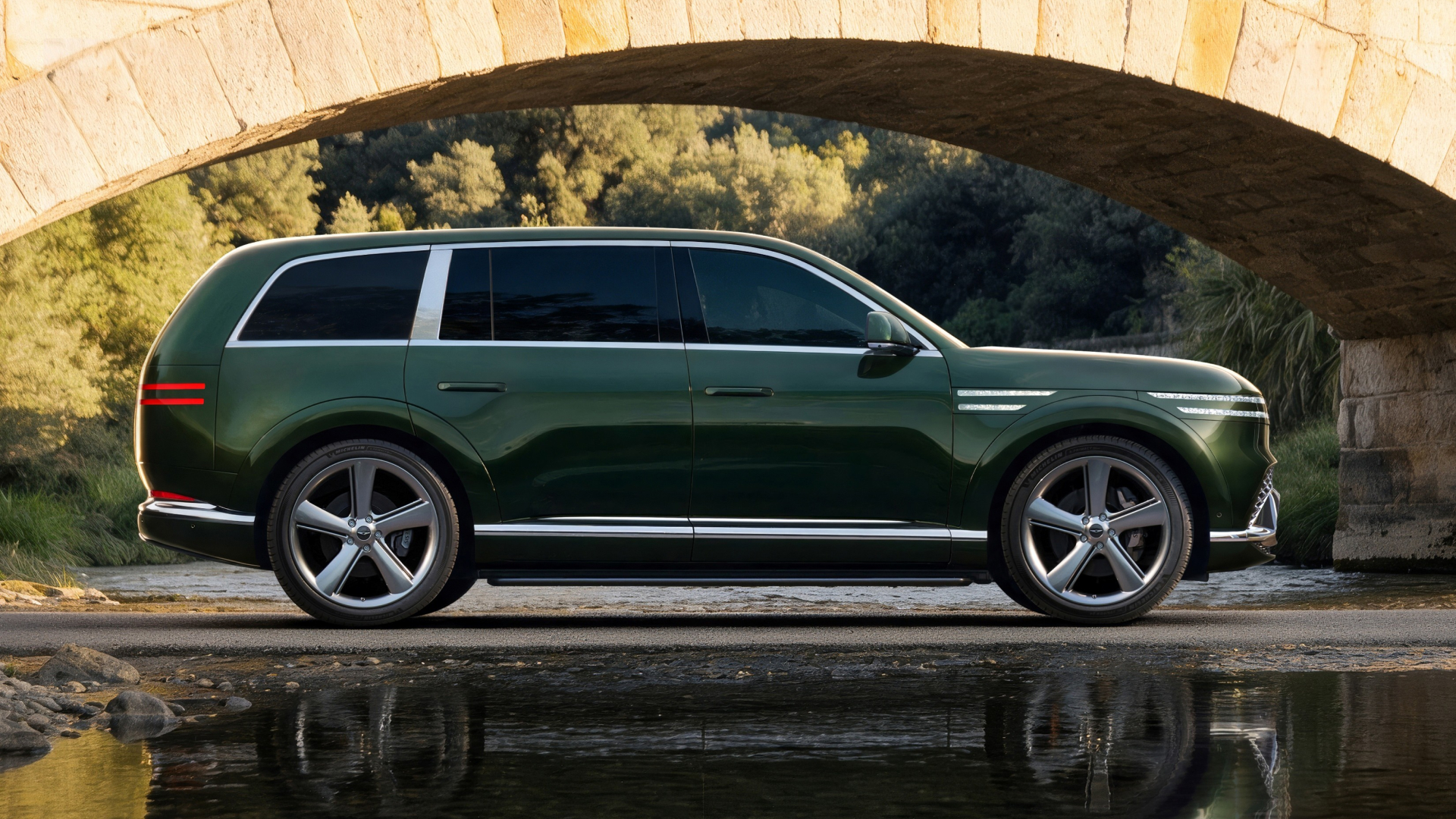
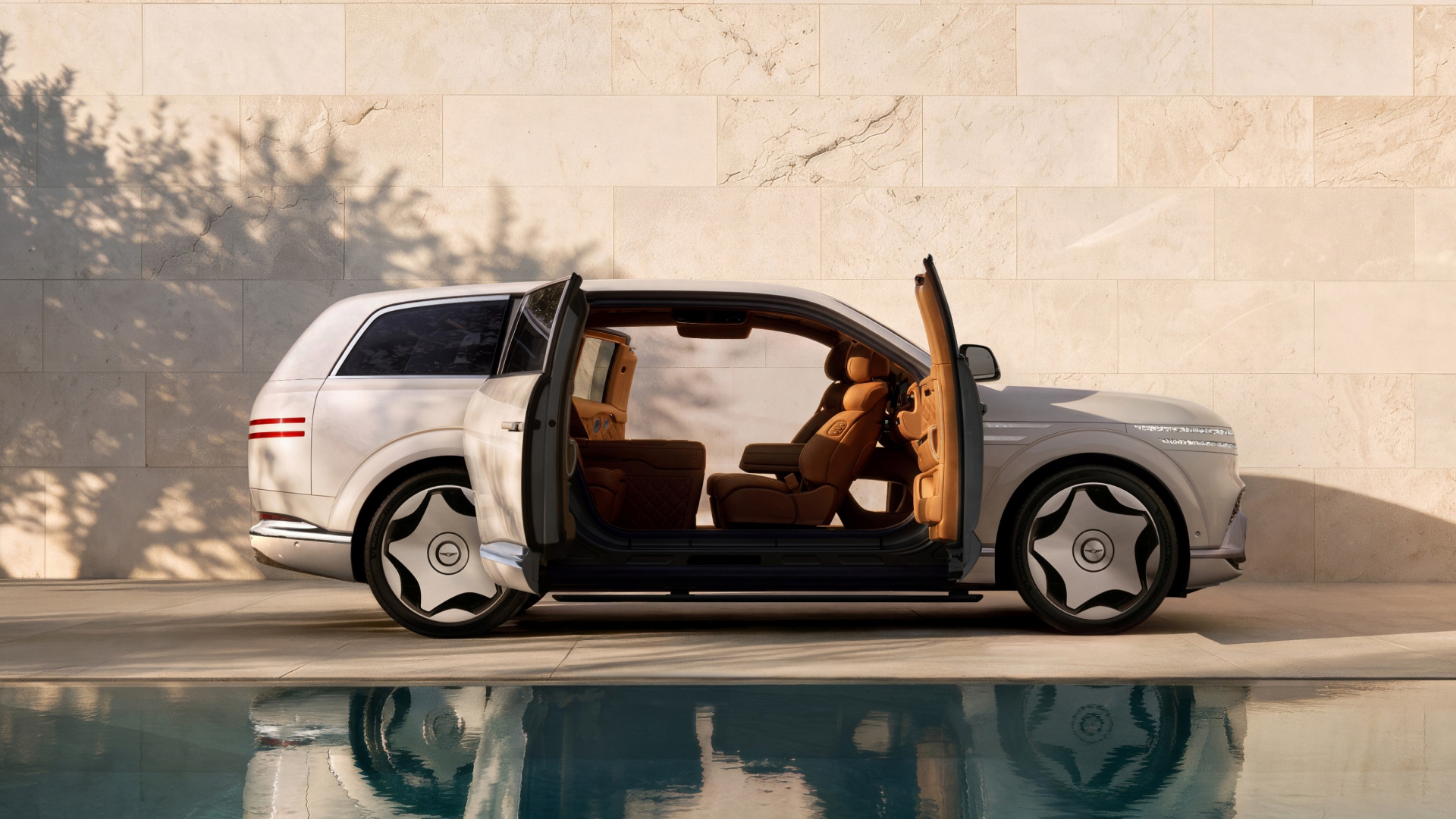
One of the standout breakthroughs is the CVVD valve timing system, the world’s first technology that can vary the duration of intake valve opening and closing, boosting operating performance by 4 percent and fuel efficiency by 5 percent.
The Smartstream G1.6 T-GDi engine first appeared on the Hyundai Sonata Turbo, and the technology has since spread to many other model lines, including what is known as Hyundai’s “Five Generals,” such as the Santa Fe and Palisade.
For Hyundai, Smartstream shows that even in this transition period toward PHEVs and electrification, the company has not stopped digging deeper into the internal combustion engine, because most of the world, and 90 percent of Vietnamese drivers, will still need gas stations more than charging stations for at least the next 10 years.
BYD: Dragon Face
When German designer Wolfgang Egger, who had headed the design departments at Alfa Romeo and Audi, left Europe to join a Chinese automaker at the end of 2016, few people could have guessed what was about to happen.
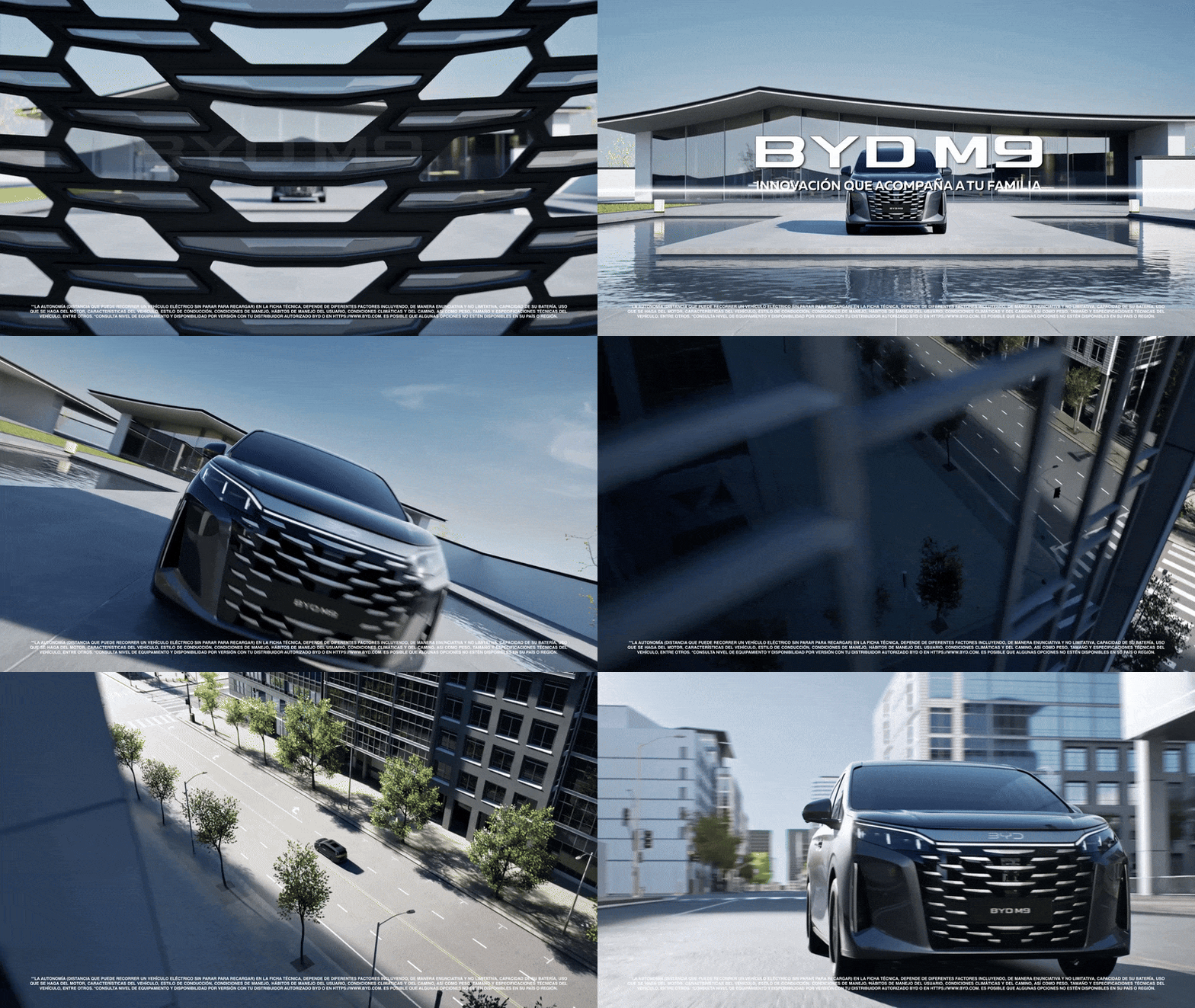
Egger brought BYD something most Chinese brands were still missing at the time: a design language with genuine identity, rather than simply copying Western automakers outright. “Dragon Face” was born for the BYD Dynasty Series, with a grille and headlight cluster shaped to evoke the image of a dragon in East Asian culture, both majestic and unmistakably symbolic of national identity.
BYD did not want to become a cheap version of German or Japanese cars. It wanted its own design voice, rooted in heroic Chinese culture itself. This strategy coincided with the moment BYD rose to become one of the leading forces in the electric vehicle and new energy vehicle market.
Audi: Quattro
Few would guess that one of the most famous engineering legacies in the auto industry began with a winter test in Scandinavia in the late 1970s.
The idea of four-wheel drive for civilian passenger cars, rather than reserving it for military off-road vehicles, was seen as far-fetched at the time. But Audi pursued it anyway, and in 1980 unveiled a race car named Quattro, Italian for “four.”

This car then entered the World Rally Championship, an arena that was never designed for a four-wheel-drive machine, and unexpectedly scored resounding victories. Behind the wheel was French female driver Michèle Mouton, who kicked off a revolution in the world of rally racing.
Building on that success, Audi registered “quattro” as the official name for its entire line of four-wheel-drive technology. The system was later upgraded through many generations, combining the Torsen center differential with electronic systems like ABS and ESP to actively distribute torque, prevent wheel slip, and carve corners with that smooth, unmistakably Audi feel.
Today, the proud quattro emblem still stands as a statement that this is an Audi built to grip the road like a lizard clinging to a wall, in any road condition. A legacy that started in the snow, and has never stopped since.
Volkswagen: 4Motion
If Audi’s Quattro carries the epic spirit of rally racing, Volkswagen’s 4Motion concept is more practical, made for everyday drivers, both new and experienced.
Born in 1984 under the name “syncro” on the Passat, Volkswagen’s four-wheel-drive system was renamed 4Motion in 1996 and has been continuously refined ever since. What sets 4Motion apart is how it operates: under normal road conditions, most of the driving force is sent to the front axle to optimize fuel consumption, much like a regular front-wheel-drive car.

But the moment the central electronic system detects any sign of losing traction, extra drive force is sent to the rear axle, almost before the driver even realizes the wheels are slipping.
This “efficiency first, ready to react” approach differs from Audi’s philosophy of constant, always-on four-wheel drive, and it fits Volkswagen’s positioning well: a reliable, mainstream German brand.
Mercedes: AMG
In a small factory in the town of Affalterbach, in southern Germany, there is one rule every engineer must follow: “one man, one engine.” Every AMG V8 engine is assembled entirely by hand, from start to finish, by a single engineer, who then attaches a plaque bearing their own name to that very engine: a personal signature on an industrial product. And it lives on forever after.
AMG stands for Aufrecht, Melcher, and Großaspach, the names of the two founders along with their hometown. It began as an independent tuning workshop before officially becoming the high-performance division of Mercedes-Benz.

The difference between a standard Mercedes and one wearing the AMG badge is not just about power output, it is also about development philosophy. Standard Mercedes models pursue maximum comfort and luxury, while AMG ONE is willing to trade away some of that comfort for a more intense driving feel.
In Vietnam, the AMG name has become popular not so much under the hood, since the number of people who actually drive intensely is vanishingly small, but rather through interior and exterior styling options that give regular models an AMG look. Cool, very cool.
Peugeot: i-Cockpit
A paradox that Peugeot turned into a strength: a steering wheel noticeably smaller than what most other automakers on the market use.
First introduced on the trio of the 308, 208, and 2008, the i-Cockpit design style was led by design director Gilles Vidal, who believes that good design is design that solves human problems, rather than simply following existing mechanical templates.
The D-cut steering wheel, flattened at the bottom and deliberately downsized, means the driver’s arms move less when steering, allowing for quicker and more precise reflexes, while also freeing up legroom and opening a clear view down to the instrument cluster behind the wheel, instead of it being obscured as in a traditional layout.

By the time the New i-Cockpit generation launched in 2016 on the 5008, Peugeot took things a step further with a high-mounted digital display cluster that feels like an aircraft cockpit control panel, and it went on to win the prestigious Red Dot design award.
The latest versions add i-Toggles, touch-sensitive buttons that can be customized to each user’s habits. For Peugeot, i-Cockpit is how the French automaker asserts a distinctive design identity, one that does not chase the scent of luxury but instead pursues an intimate, almost personalized relationship between driver and car.
China: Electric Vehicles
If we were to pick a keyword representing an entire country rather than a single automaker, “electric vehicle” is China’s answer for the second half of the 2020s.
Unlike traditional automakers that spent decades building their brands around internal combustion engines, China’s auto industry jumped straight into a new arena, one where the rules had not yet been set by Germany, Japan, or the United States.
The result is an astonishing breakthrough: China supplies the majority of all electric vehicles sold worldwide, while European and American brands each hold only a small slice of the market.
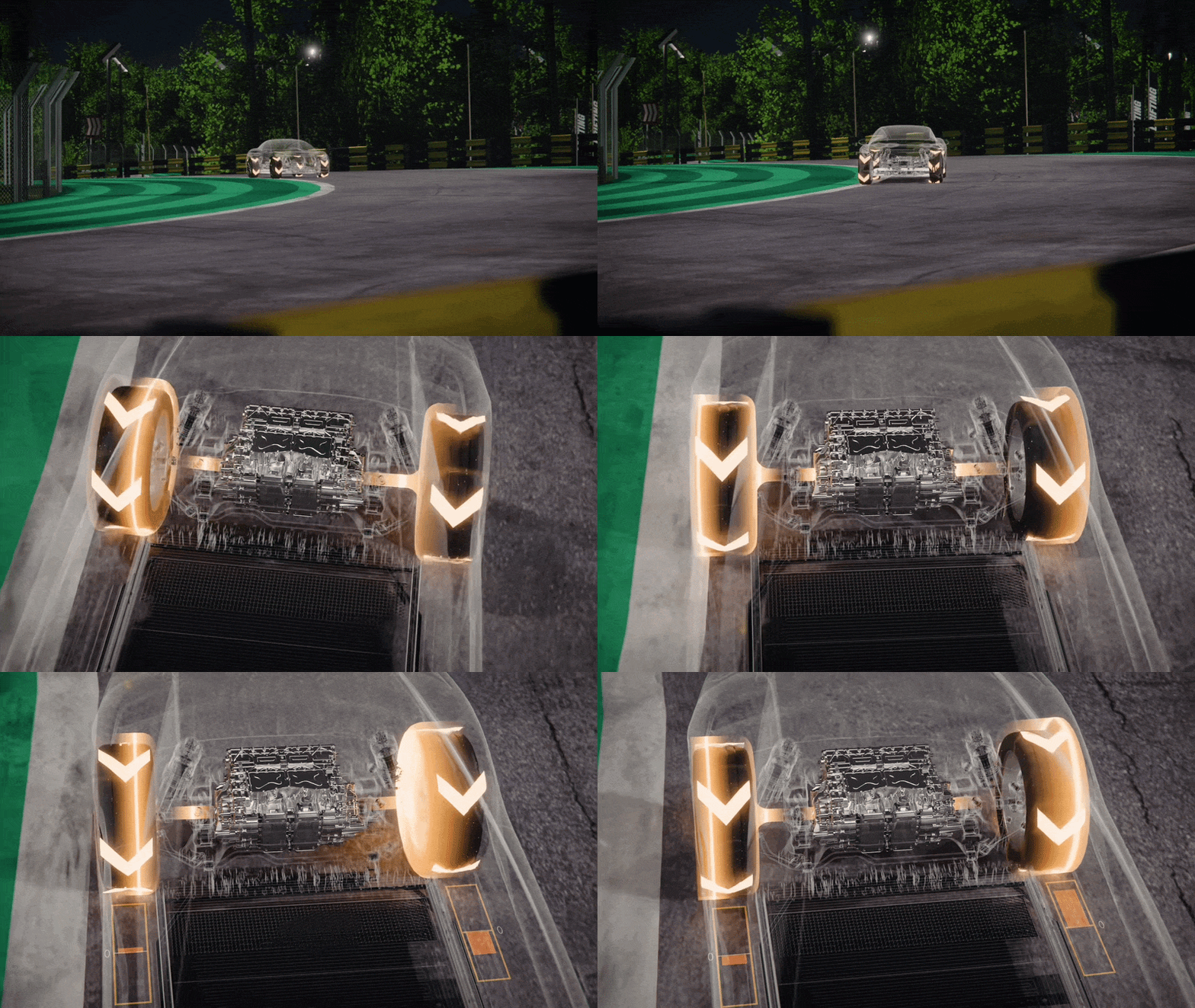
Names like BYD, Geely, Chery, and Lynk&Co are no longer aiming only at the domestic market. They are expanding their reach, pushing exports out across the world, from Southeast Asia, Australia, South America, and the Middle East to the more demanding markets of Europe, despite constantly shifting tariff barriers meant to protect local markets.
Their strategy does not stop at selling finished vehicles. It is gradually shifting toward building local ecosystems, transferring technology, localizing production, and building long-term brand equity. There is exactly one thing Chinese cars are still missing: time.
VinFast: Number One in Vietnam
A young, purely domestic electric automaker rising to the top of industry-wide sales is something almost no fortune teller could have predicted. But VinFast pulled it off, and not just once.
Since October 2024, VinFast has consistently held the number one position in the car market for many months in a row, with market share at times exceeding thirty percent, the highest level any automaker has ever set in Vietnam in more than three decades, dating back to 1995.
Looking quickly at the first half of 2026, VinFast became the first automaker in Vietnam to surpass one hundred thousand vehicles sold in just six months, with models like the VF3, VF5, and VF6 consistently ranking among the best-selling crossovers on the market.
When the entry-level VinFast VF2, priced from 188 million dong, launches in October 2026, sales are certain to surge well beyond anyone’s forecasts.
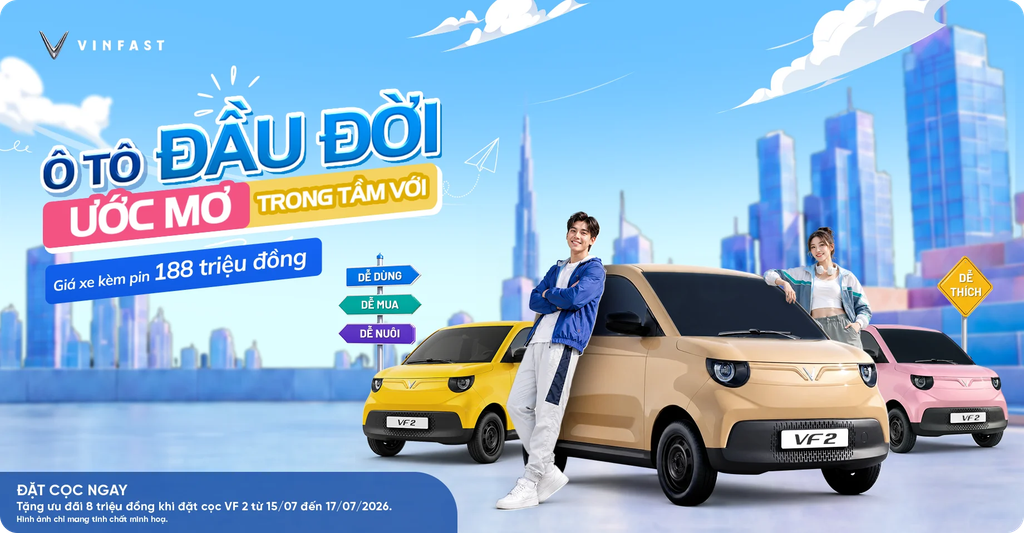
For a car brand with less than ten years on the road, holding the “Number One in Vietnam” position is more than an achievement, it is a genuine unicorn story. As Vietnamese, seeing a Vietnamese automaker sitting at the top, with its seeder community also topping every front of the media battlefield, Suốt Ngày XE feels both proud and a little nervous.