

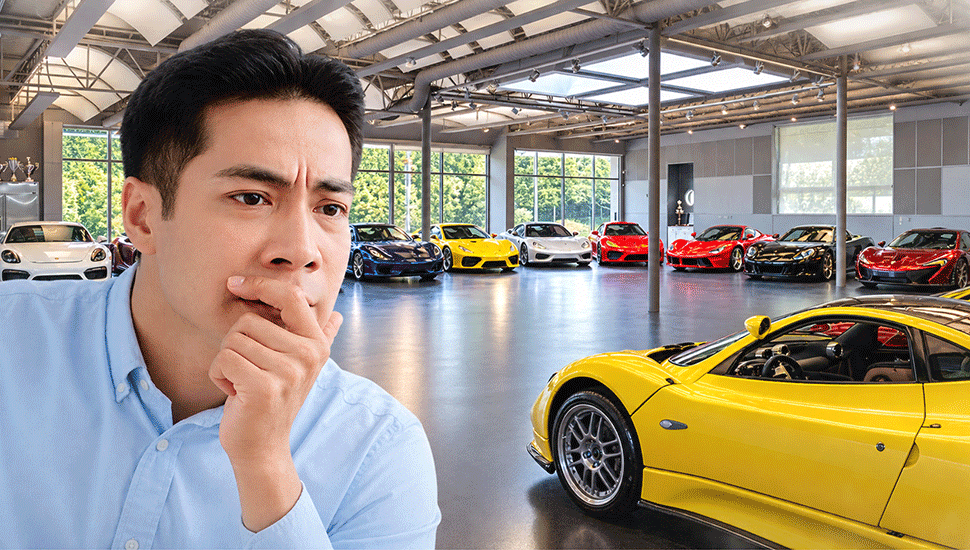
A foreign customer pushes the door open and walks into the showroom. The salesperson hurries over to greet him:
– Hi sir, what kind of car are you looking for? I’d be glad to help.
– Get me that Lord of SUVs, one billion on the road, full option.
The customer has probably just arrived in Vietnam and doesn’t know the lay of the land yet. Because in this world there is no “Lord of SUVs” that costs one billion on the road in a fully loaded version.
No car is at once as good-looking as you want it, as heavy on badge value, and as cheap as weeds. And no car rides as smoothly as a Lexus, feels as sporty as a Porsche, and steamrolls everything in its path like a RAM 1500.
And to help you, our foreign reader, understand the formula Vietnamese people use when buying a car, Suốt Ngày XE suggests this is the piece to read.
Three offerings: the three things that can never all be perfect at once
The tam sên tray on an ancestral altar holds three dishes standing for sky, earth and water, each with its own flavor, complete only when they come together.
When it comes to choosing a car, the three offerings are brand, styling and price. The three of them work like the three corners of a three-way seesaw: press down on one and another has to give way.
Look at the wave of Chinese cars landing in the Vietnamese market over the past few years and the rule becomes obvious. From 2025 until now, Chinese brands have poured into Vietnam with a familiar formula: eye-catching design, technology by the truckload, and prices clearly below their Japanese, Korean and American rivals.
Sharp lines, huge screens, more options than you can count, an easy asking price, and the one thing still missing is the depth of the brand, something only time can build up.

Even a name that has held its parking spot for decades, like MG, has to lean on its British history to carry a little extra credibility. At the other end of the rainbow, the wind god like Lotus Emeya, with galloping speed, a heavyweight badge and spectacular aerodynamics, simply cannot be cheap.
So before you pick a car and settle on a color, the first question is not “which car sells the best?” but “of the three, brand, styling and price, which one are you willing to let go of?”
Buyers who put family first and don’t want headaches at resale usually go for brand and price, and settle for safe styling that doesn’t stand out in a crowd but doesn’t look shabby at a wedding either.
Young buyers who are intoxicated by beauty see the car as a bright statement of personal identity, and they’re ready to give up an established badge in exchange for striking looks and a price that’s easy to sign off on.
Buyers with a full garage, who buy a car to widen the radius of their experiences, can buy whatever they like. A toy car is not a daily driver, and a car that puts food on the table is not the same as a car on display.
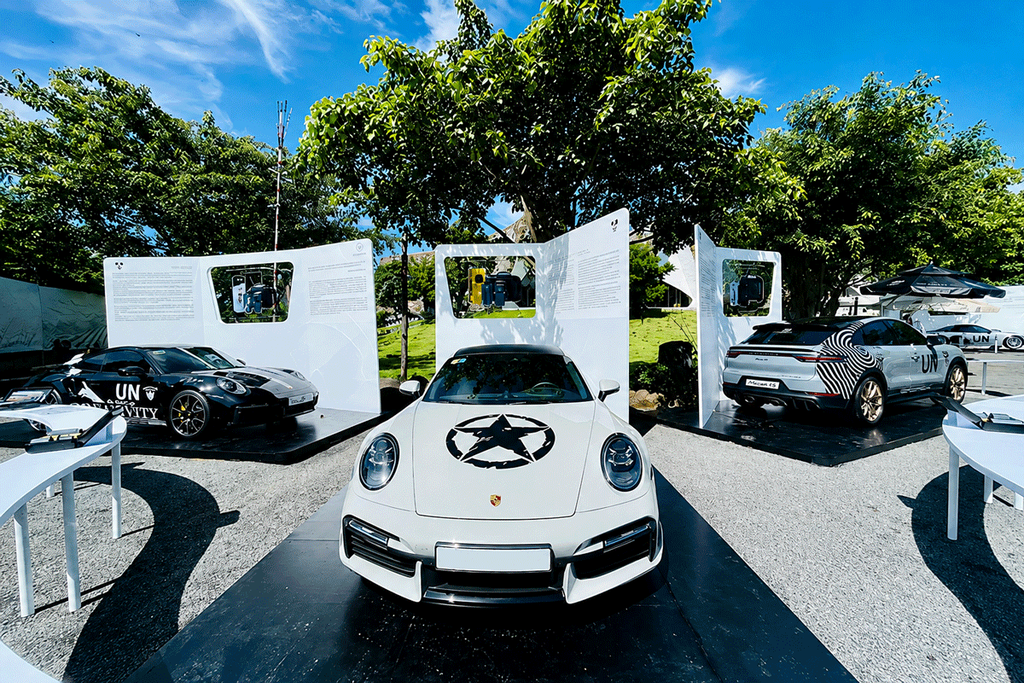
Four pillars: the four columns that hold up a car’s life
If the three offerings are what hits you in the eye, the four pillars only show themselves after a few years on the road, when broken pavement, long rainy seasons and long trips start to wear away the glossy paint and expose the core underneath.
- Chassis
- Body
- Suspension
- Engine and gearbox (motor and battery)
These are the four factors that matter most to how a car drives and how safe it stays over the long run, and you only really feel it after years behind the wheel.
Front-wheel drive or rear-wheel drive, two-wheel drive or four-wheel drive: only seasoned drivers know how to use and exploit it, and new drivers don’t need to worry about it much.
The chassis does more than hold the metal up. It takes every twisting force and every impact, and it decides how solid the car feels through a fast corner or over a pothole that appears out of nowhere.
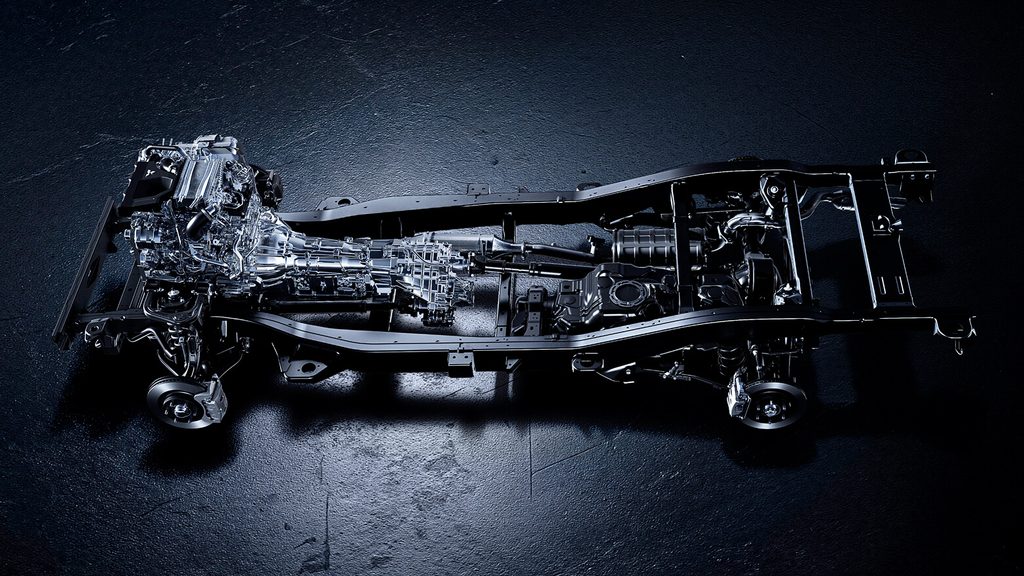
The body isn’t limited to a pretty outer layer with sculpted lines, it is the armor that absorbs the energy of a crash, and it has a direct effect on safety, working together with the airbags.
The suspension decides whether the ride is smooth or jarring, and whether a quick corner of the kind you see in the slalom test and the moose test feels completely confident or frighteningly wobbly.
The engine and gearbox are a perfect pair, deciding how quick the car feels, how durable it is, how much it vibrates, and whether it sips fuel or gives you a headache every time you fill up.
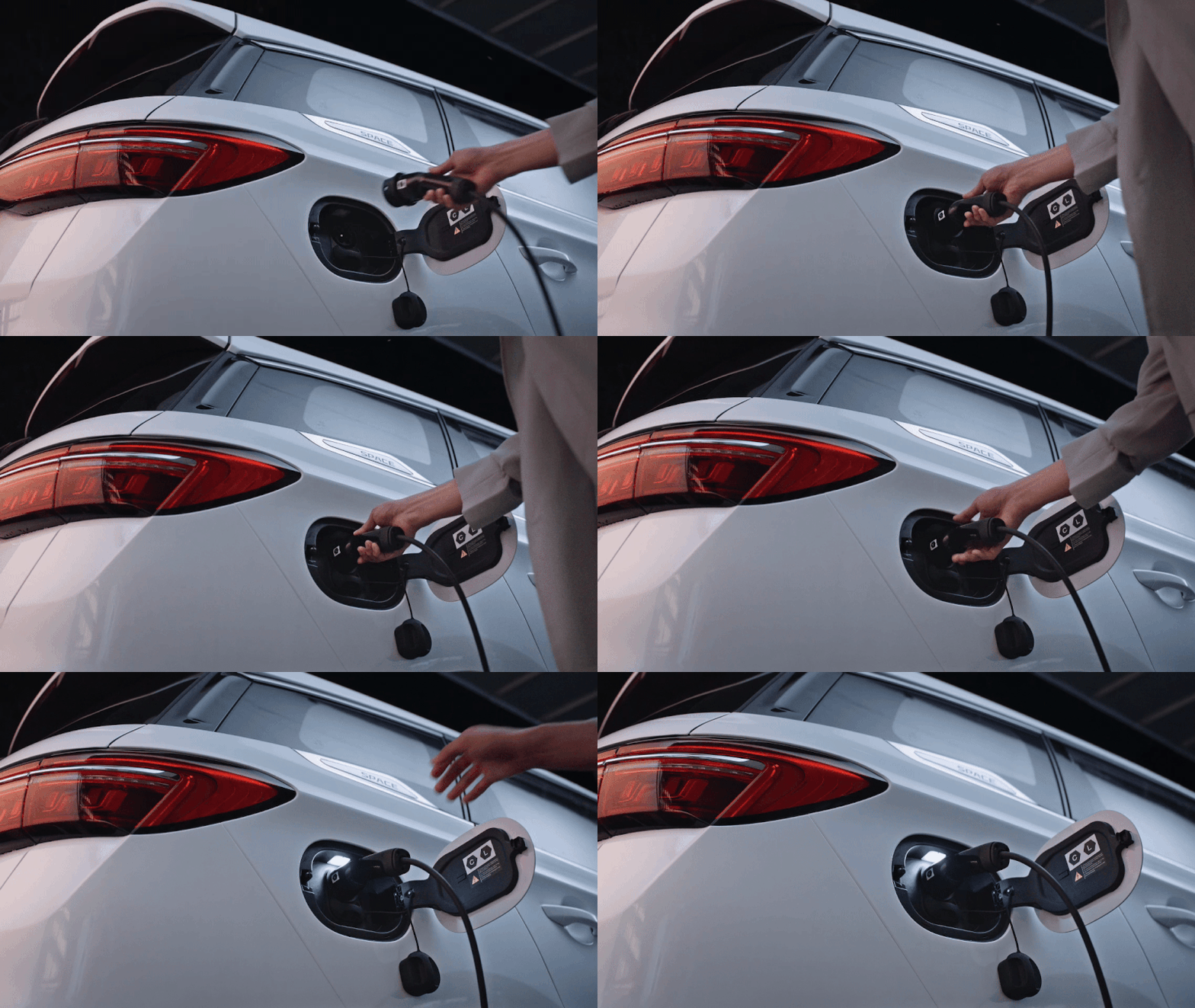
These days, EV or plug-in PHEV technology lets drivers set off and arrive with confidence, without worrying about charging stations.
The higher the technology, though, the harder it is to repair when something goes wrong. If the car acts up in the middle of a trip and the dealer tells you to wait a month for parts, you’ll be crying in a language nobody understands, especially if that car is how you earn your living and feed the family.
Four solid pillars are not a decorative touch, they are the foundation that makes the best possible driving experience possible.
A smart buyer who is reasonably happy with the three offerings should take the time to borrow a car for a test drive, or even rent one for several days to do a proper test drive on a long trip.
Five elements: five features that serve life inside the car
The five elements are five layers of comfort that make a trip more pleasant, more relaxed, more like something you actually enjoy.
- ADAS assistance technology
- Dual-zone climate control
- Leather seats for long hours
- Roomy interior space
- Hands-free power tailgate
ADAS used to be a luxury found only on near-premium cars, and now it has become a common standard even in the mass segment.
Plenty of five-seat crossovers at 600 million dong already come with a 360-degree camera, parking sensors, collision warning, lane keeping assist and adaptive cruise control, things once seen as extravagant options on cars costing billions.
Dual-zone climate control lets the driver and the passenger set their own temperatures, a small detail that is extremely useful for families with small children or with older relatives who are hard to please and run hot or cranky.
Leather seats feel upscale and comfortable, and they make you want to get in and drive. Today a car at 800 million dong comes with good leather seats that are a pleasure to sit in and easy to clean, with no worry about them falling apart for at least ten years of use.

A roomy interior is something you feel directly, every time you climb in and out, especially with a big family. For the same fifty or seventy million dong, faced with a small car loaded with options on one side and a roomy car on the other, prioritize the roomy one from the start.
Options are easy to add later if you want them, while physical dimensions are hardware and cannot be changed.
A hands-free tailgate, where you just wave a foot past the sensor under the bumper and the tailgate opens by itself, sounds like a trivial thing, but anyone who regularly drives the family to the supermarket and comes back with both arms full will see what it’s really worth, like saying open sesame.
The five elements don’t decide whether the car runs, but they decide whether sitting in it is a pleasure or a chore. It’s the same as having sex. Doing it just to get it done is one thing; doing it for the joy of it is something else entirely. You know what I mean!

This is the part where manufacturers take advantage of a soft spot in human nature to create a flashy “fully loaded” feeling while the essentials, the three offerings and the four pillars, still aren’t right. A clear-headed buyer needs to keep the line sharp: the five elements are the seasoning, not the main dish.
Four wheels are a dream, and they can also be a burden
Back to the story we started with.
The foreign customer wanted the “Lord of SUVs” fully loaded, under one billion, with good looks, a strong badge, a solid chassis and all five elements in place. That is a prescription that doesn’t exist.
The Ford Everest Platinum costs one billion six hundred million, and that’s before on-road costs, which come to about 15%. It more than lives up to its title, and its price tag.

Through August 2026, the Vietnamese auto industry sold 432,548 vehicles in total, up 26.4% from the same period in 2025.
The shape of the Vietnamese car market in 2026 is still VinFast’s to dominate, with the race between the Japanese, Korean and American brands playing out for everything that’s left.
VinFast even sells more than five rivals combined: Toyota, Hyundai, Mitsubishi, Ford and Kia. On its own, VinFast accounts for more than 35% of the industry’s total sales.
The three offerings shape how you feel before you buy. The four pillars decide how secure you feel behind the wheel. The five elements add color to every trip. Three layers stacked on top of each other in the right order of priority, that is how Vietnamese people buy a car.
Four wheels are a dream. But they can also be the start of a mountain of debt.