
In the sweeping wave of electrification surging across Asia, especially in Vietnam, BYD isn’t simply launching products – it’s skillfully weaving a multilayered technological tapestry in which PHEVs aren’t a temporary fix but an intelligent bridge between gasoline and a fully electric future.
Seal 5, Sealion 6, and M9 can be seen as three new puzzle pieces in BYD’s clean-energy picture. Seal 5 targets young customers who want a sedan experience with at-home charging convenience. Sealion 6 delivers true crossover driving dynamics across rugged, hidden trails. And M9 caters to multi-generation families and business owners who want a “chairman-style” experience within a price range more approachable than the aristocratic Viloran.
BYD Seal 5 PHEV: A 700-Million-VND Sedan You Can Charge at Home
If the fully electric BYD Seal once made waves with its Ocean Aesthetics design language inspired by the sea, then the Seal 5 PHEV is the answer for those who love that styling but aren’t ready to drop a billion – those who only have 700 million in hand.
Seal 5 receives the usual meticulous care from BYD and carries the new-generation DM-i (Dual Mode intelligent) system – BYD’s intelligent parallel hybrid technology refined over many product generations. Unlike traditional PHEVs that prioritize the gasoline engine, DM-i places the electric motor at the center, with the gasoline engine acting mainly as a high-efficiency generator.
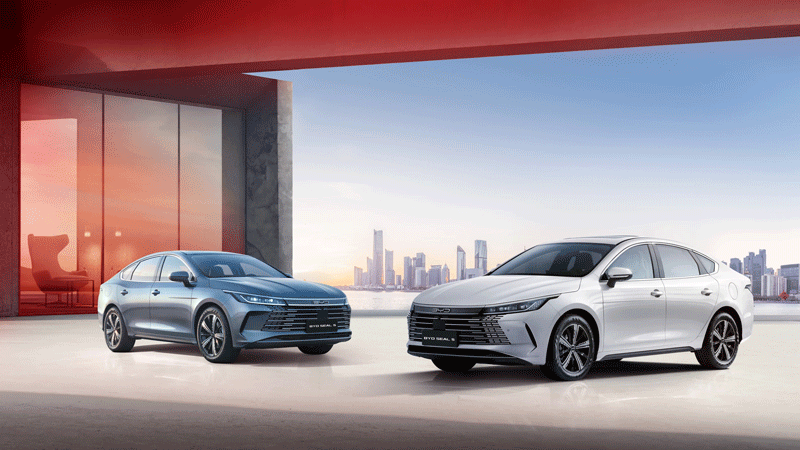
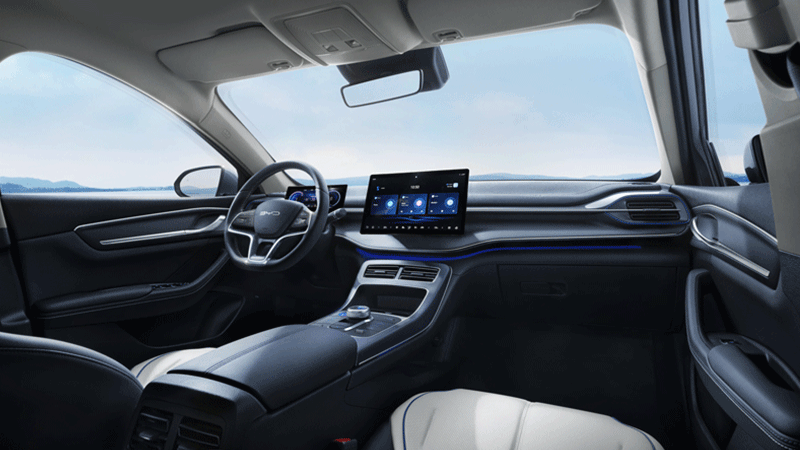
This creates a driving experience almost identical to a pure EV most of the time. With at-home charging, BYD Seal 5 becomes the perfect choice for families with a private garage – each morning begins with “a full tank and a full heart” without ever visiting Petrolimex stations.
BYD Seal 5 (Imported From Thailand) — 696 Million VND
- Size: 4,780 × 1,837 × 1,495 mm
- C-segment sedan, 5-seat layout
- Beautifully designed interior
- 1.5 PHEV engine, 209 hp
- 120 km pure-electric range
- Full tank + full charge → 1,800 km north–south
- Full LED lighting front to rear
- Rotary gear selector, leather seats
- 12.8-inch screen with Vietnamese voice control
- Wireless Apple CarPlay / Android Auto
- 360 camera with under-body view
- Trunk fits six 20-inch suitcases
- 6-year or 160,000-km warranty
Hybrid sedans are still rare in Vietnam – you can count them on one hand. Honda Civic HEV is 1 billion. Volvo S90 is over 3 billion. BYD Seal 5 offers an astonishingly attractive price: 696 million VND, easily tempting buyers considering the Hyundai Elantra, Kia K3, or standard Honda Civic.
BYD Sealion 6 PHEV: Drive 100 km Without Using a Drop of Gasoline
If MG was the icebreaker who opened the gates for Chinese cars in Vietnam with the stunning MG5, then BYD might be the one redefining the entire game in the years ahead.
In April 2025, the Sealion 6 PHEV launched – a plug-in crossover that you can charge, fuel, and then drive 1,795 km without a worry. That alone is BYD’s passport to a bold new ambition. This is no longer a story of “cheap Chinese cars”, it’s a story where the line between gasoline and electric is blurred, where convenience and range are no longer opposite extremes. BYD is leading Vietnam into an era where people no longer choose between “charging or fueling,” but simply… go.
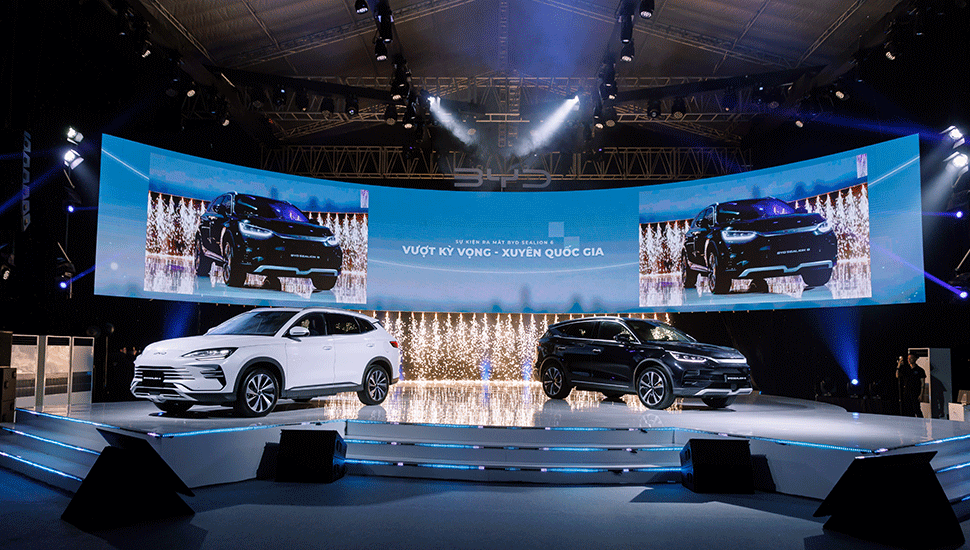
“Not only in Vietnam, the world isn’t ready for 100% pure EVs yet for many reasons, the biggest being charging infrastructure. We adapt to customers where they currently stand, not only where our vision is headed,” said BYD founder Wang Chuanfu. “But that doesn’t mean abandoning our long-term goals – first we build a bridge that matches consumer psychology.”
That technological bridge is Sealion 6: equipped with the latest DM-i Super Hybrid system, combining a 1.5L engine with a powerful electric motor, delivering both impressive efficiency (214 hp) and a distinct driving feel.
BYD Sealion 6 Prices
- Dynamic: 799 million VND
- Premium: 899 million VND
Key Specs:
- 4,775 × 1,890 × 1,670 mm
- Extra-long 2,765 mm wheelbase
- PHEV plug-in hybrid, 5 seats
- Gas + full charge → 1,795 km
- 18.3-kWh battery, ~100 km pure-electric
- 1.5L engine, 214 hp, 300 Nm
- EV mode, series hybrid, and parallel hybrid
- 15.6-inch rotating screen, wireless connectivity
- Crystal shifter, 6–8-way power seat
- 360 camera + under-body view
- Infinity 10-speaker premium audio
- Near-full ADAS suite (Premium)
- Vehicle warranty 150,000 km, battery 160,000 km
Watch Tipcar push the Sealion 6 to the limit on a brutal test drive – running it until the tank is empty and the battery is drained.
Sealion 6 prioritizes electric power in nearly all situations, using the gasoline engine only when necessary. The new-generation Blade Battery is specially tuned for Sealion 6, enabling up to 100 km of electric-only driving – enough for daily urban commutes without spending a drop of fuel.
BYD M9 Enters the Premium MPV Battle Above 2 Billion
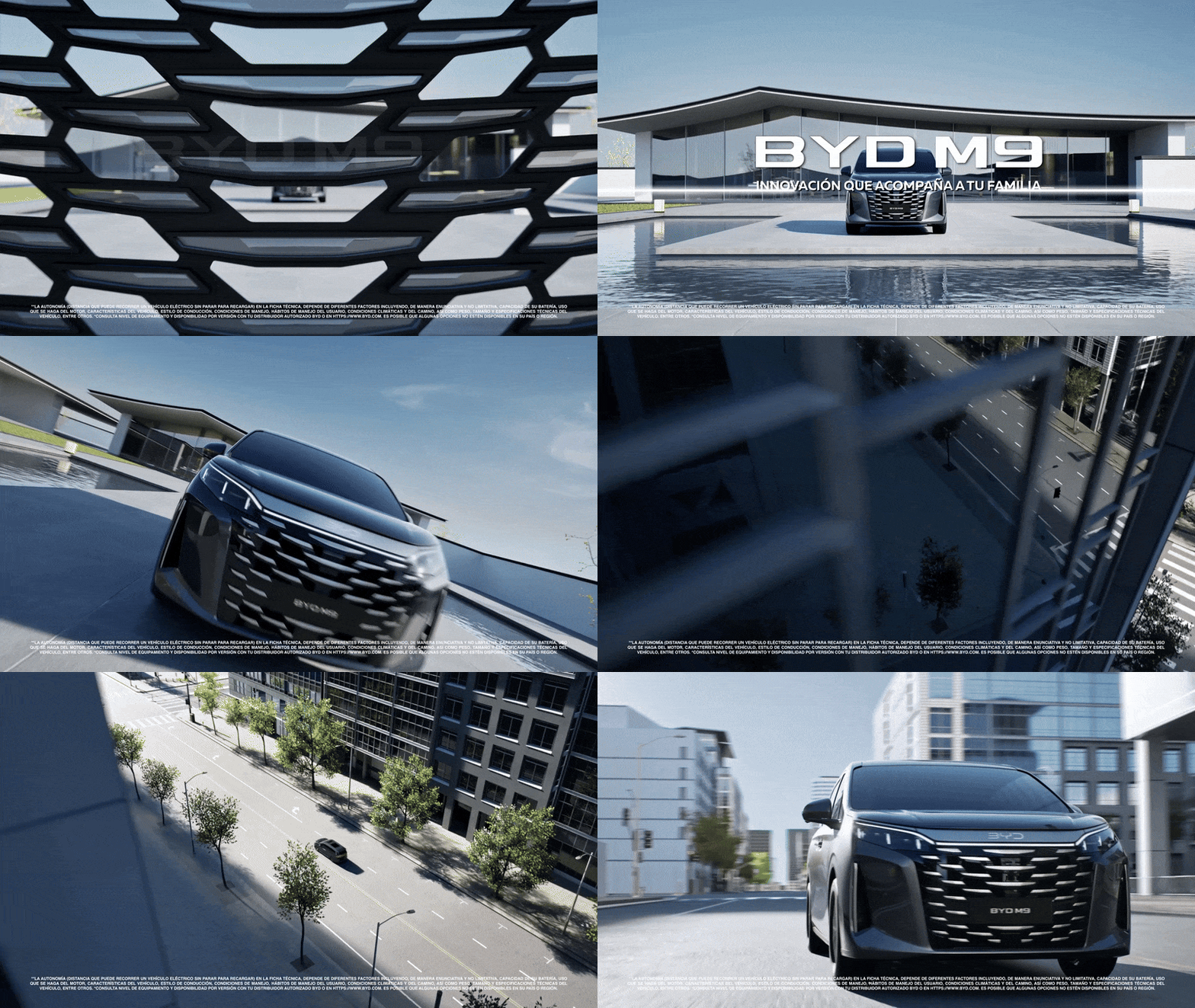
In November 2025, BYD officially launched the M9 (the international name for BYD Xia in China), priced above 2 billion VND – joining the MPV battleground with Kia Carnival and Volkswagen Viloran, but in a more chairman-like form reminiscent of GAC M8 or Toyota Alphard.
M9 applies BYD’s signature Dragon Face design philosophy, featuring an elegant, commanding grille framed by slim, sharp LED headlights. Its interior draws inspiration from the Eastern architectural concept “Four Waters Return to the Hall,” where every detail is designed for balance, harmony, and prosperity. Especially the notion of “prosperity”, the M9 lacks nothing a chairman could imagine.
BYD M9 Pricing: 2 Billion & 2.388 Billion VND
- Size: 5,145 × 1,970 × 1,805 mm
- 3,045-mm wheelbase, 140-mm clearance
- Premium 7-seat MPV design
- 1.5 turbo PHEV, 268 hp
- 95–170 km pure-electric range
- Executive second-row seats with full features
- Boss button for lie-flat configuration
- 10-point massage seats, fridge, personal tables
- Interior amenities enough to fill two A4 pages
- Safety tech covering everything you can think of
BYD Is Completing Its Two Energy Fronts: EV and PHEV
Over the last few years, electric cars have become more popular with more of them appearing on our roads. Typically, these are referred to as EVs. But there is another term that you may not be familiar with – NEV.
Not to be confused with ‘neighbourhood electric vehicle’, NEV stands for ‘New Energy Vehicle’ and is a term used to describe all types of electric vehicles, from battery-powered fully electric vehicles to plug-in hybrid cars. BYD is the No.1 NEV Maker.
View BYD’s Vietnam lineup as a chessboard, and the strategy becomes clear. Each model is a carefully placed piece attacking a specific segment and customer profile.
BYD’s pure-electric front is nearly complete: Dolphin for young urban buyers, affordable and playful; Atto 3 – the compact crossover that resonated strongly with young families; Seal – a sporty sedan for successful young professionals; and Han at the flagship of technology and design.
For expanding families, BYD offers the M6 – Vietnam’s first pure-electric 5+2 MPV – and the Sealion 8, a stunning true 7-seat SUV many drivers dream of piloting.
But BYD understands Vietnam in 2025 (and the next five years) is not yet fertile ground for full EV adoption. Concerns about range, sparse charging infrastructure, and the Vietnamese tendency to “prepare for the worst” with new technology still linger. That’s why this PHEV trio isn’t Plan B – it’s a smart parallel strategy.

Sealion 6 creates an impressive opening – a 5-seat crossover with 100 km of electric driving, perfect for daily use yet supported by a gasoline engine for road-trip reliability.
Seal 5 continues that mission in a pure sedan form. And now, M9 completes the PHEV trifecta – bringing hybrid technology into the premium MPV segment, where long journeys are the norm.
Line up all nine BYD models – six EVs, three PHEVs – and the formation is nearly complete. BYD now only needs stronger presence, more test drives, promotional pushes, and time for the Vietnamese market to adapt and gradually harmonize with the triumphant chorus of China’s rising automakers.
A Green Journey Beckons for BYD in a 500,000-Cars-Per-Year Market
From its earliest days in Vietnam, BYD showed its seriousness through hands-on experiences – nationwide displays and test drives.
In areas where BYD has dealerships in Saigon, BYD market teams drive around daily so locals can see the cars in person. The familiarization phase is nearly complete thanks to a diverse product strategy.
Vietnamese consumers are increasingly shifting from Japanese domestic goods to Chinese domestic goods – from clothing to electronics. The old stigma against Chinese products is being buried by the younger generation.
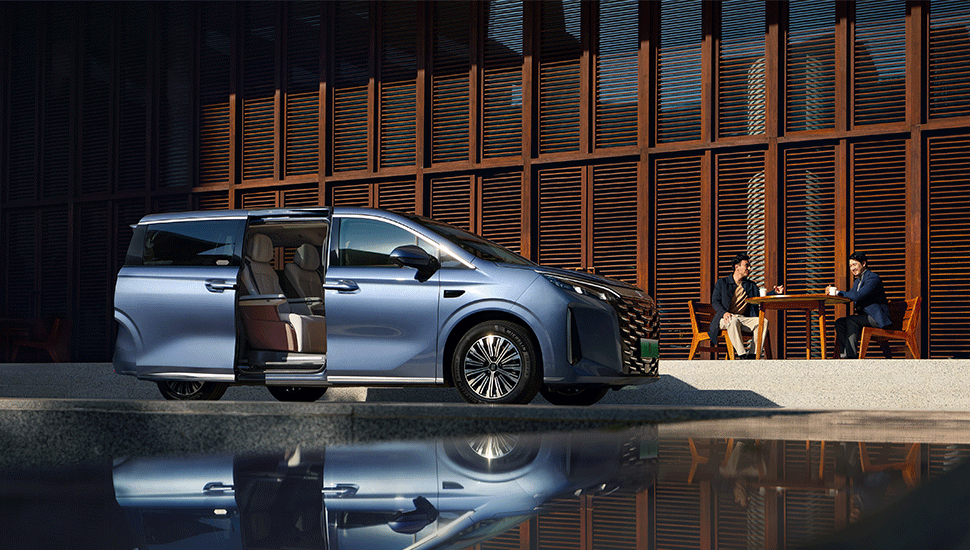
However, according to Suốt Ngày XE, the average age of car buyers is still over 35. So BYD and other Chinese automakers entering Vietnam will likely need at least five more years to fully clear remaining bias and compete on equal footing with the Japanese and Korean brands that have been deeply rooted here for more than two decades.