

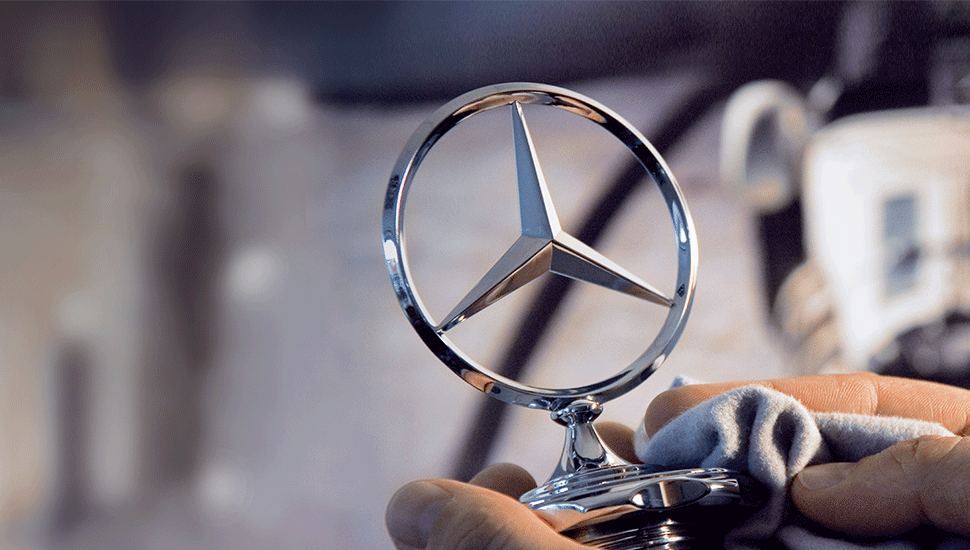
There’s a saying among car enthusiasts, short but loaded with a whole philosophy: “Drive a Porsche from the front seat; ride a Mercedes from the back.”
At first it sounds like a joke about who’s the boss and who’s the driver. But listen closer, and it’s actually a neat summary of two completely different schools of car design: one built to be driven, the other built to be served.
I. The Driver’s Seat: The Soul of the Machine
In a Porsche, a Maserati, or a Jaguar, the driver’s seat is worth far more than just somewhere to sit. It’s a fighter-jet cockpit, the single point of contact between a person and the machine roaring behind them.
Drop into the driver’s seat of a Porsche 911, and even before you touch the throttle, you can feel an embrace that’s almost intimate, the hip and back bolsters shaped to hold your body through every corner. That’s not comfort in the pampering sense; it’s comfort with a purpose, built into both front seats of the 911.
Maserati offers a different take on the same philosophy: a more luxurious driver’s seat, softer leather, but still entirely focused on what’s ahead. The Italians never separate emotion from speed. Sit inside a Maserati Grecale, the Trident’s own, and you’ll feel like you’re flying — no club music required.
Jaguar takes the more romantic road, and the supercharged F-Type proves it best. This is a car with only two seats, no back row to dilute the focus, nothing but the driver, one passenger, and a machine waiting to be woken up.
The F-Type’s cabin wraps around you so tightly it almost swallows you whole: Windsor-leather sport seats grip your hips through every steering input, a wide, tall center console makes it feel like a scaled-down cockpit, and finely knurled aluminum trim ties it all together, the whole effect landing somewhere between cool and unmistakably English-gentleman.
What these three brands share: they believe the joy of driving is a pure form of luxury, and every design resource should be poured into the person behind the wheel, because for them, the owner and the driver are always one and the same.
II. The Executive Seat: Where Power Takes Its Place
On the flip side, Mercedes, Lexus, Audi, and BMW – especially in their long-wheelbase (LWB) variants – follow a completely different philosophy: the most important seat in the car isn’t behind the wheel, it’s the rear right seat, the default spot reserved for the person in charge.
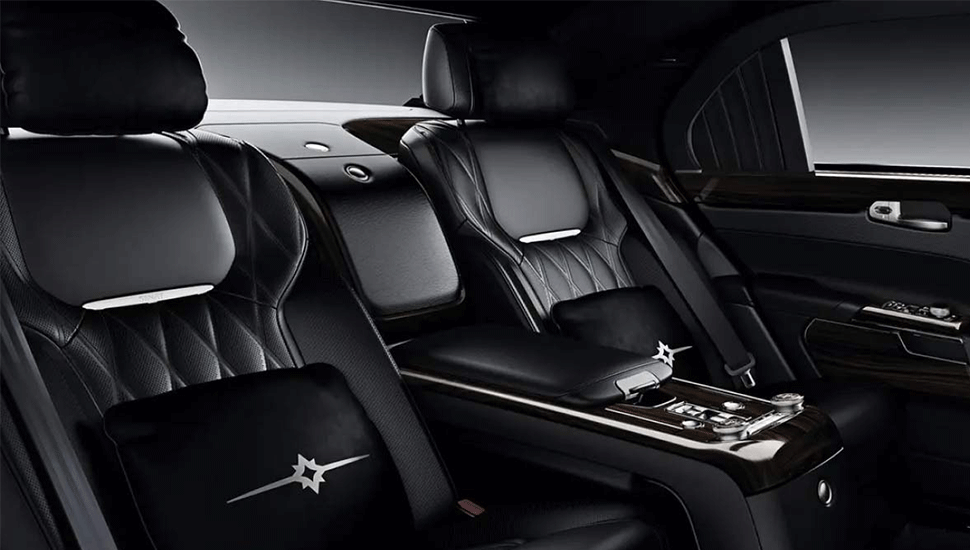
The Mercedes S-Class is the clearest example. The rear bench isn’t just spacious, it’s equipped like a mobile office: multi-point massage, power-adjustable headrests, a private entertainment screen, independent climate control, a fold-out work table. It’s a space designed for a dual purpose: rest and reflection.
The Lexus LS expresses that same philosophy through absolute stillness. The Japanese don’t chase showiness; they chase silence, a rear cabin so quiet you can hear the analog clock on the dashboard ticking. It’s Omotenashi hospitality translated into mechanical engineering. Welcome boss!
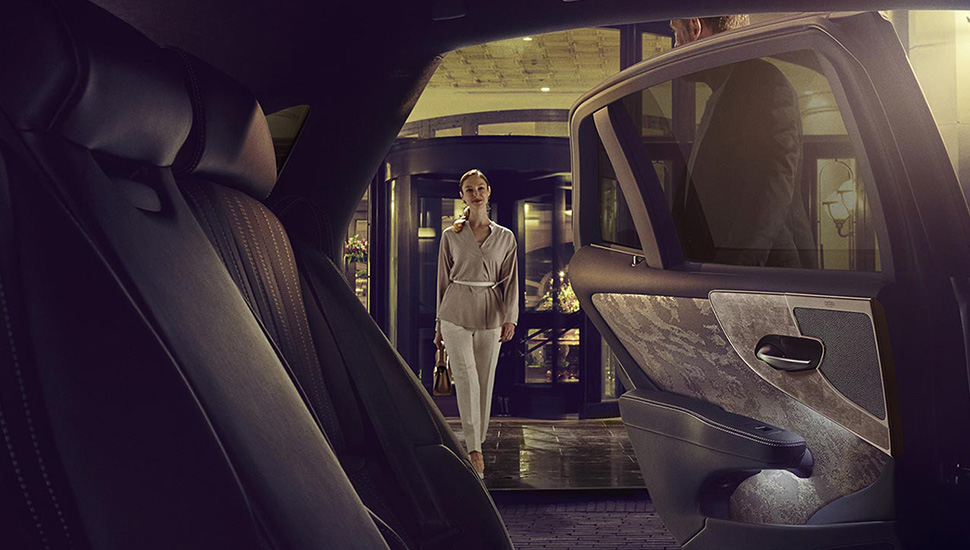
Audi and BMW, even though they were originally driver-focused brands, quietly shift the center of enjoyment toward the back seat in their flagship models: the Audi A8 L and BMW 7 Series while still keeping their sharp edge behind the wheel.
All of this rests on one unspoken assumption: the owner and the driver are two different people, and the car must serve the person in the more senior seat as well as it possibly can.
III. But a Smooth Ride Isn’t Just About the Seat
This is where many new drivers get it wrong, assuming that leather upholstery and soft cushioning are all it takes to feel comfortable. The truth is far more complicated, and most of it happens out of plain sight.
Four key factors actually determine how smooth a ride really feels, the seat is only the last link in a chain that transmits vibration:
1. Tire quality and road surface
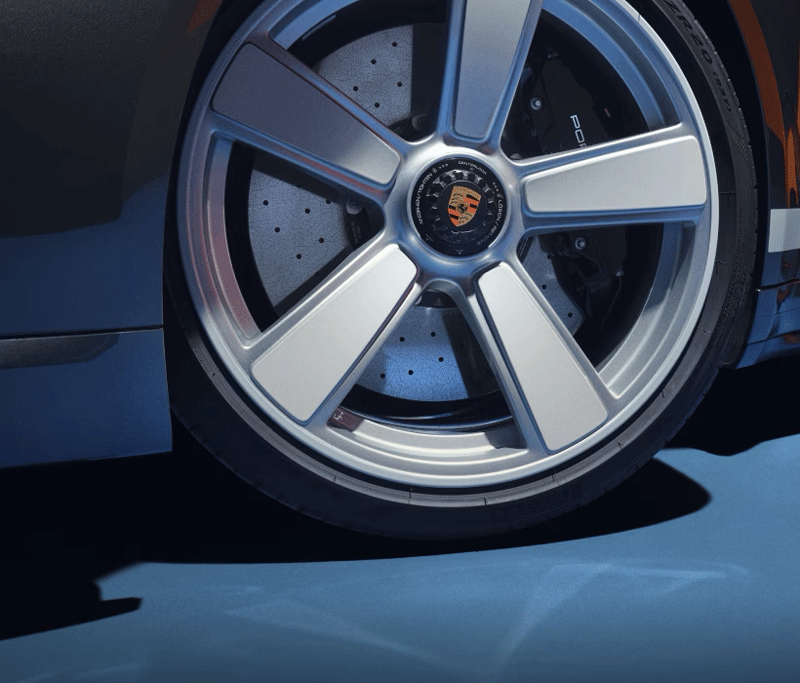
This is where every vibration begins. A good set of tires, properly inflated, on smooth pavement, will generate far less disturbance than worn tires on a rough road. This is the “source” of the vibration, and no seat – no matter how expensive – can fully cancel it out if the source itself is too strong.
2. Chassis structure
The rigidity of the chassis determines whether impact forces get spread out evenly or concentrated at a single point. A good chassis works like a strong skeleton: it absorbs and distributes force intelligently before it ever reaches the cabin.
3. The suspension system
This is the real “filter.” Multi-mode air or electronic suspension systems: Air Suspension, Adaptive Dynamics, or Active Ride on certain premium models – can read the road surface and adjust stiffness in real time, canceling out most vibration before it ever reaches the seat itself.
4. Seat quality
Only at this point does the seat come in, the final cushion between the occupant’s body and the rest of the car. A Nappa-leather seat with multi-layer padding, a reinforced metal frame, massage or cooling functions, can only round out the feeling of comfort; it can’t create comfort on its own if the three factors above aren’t up to par.
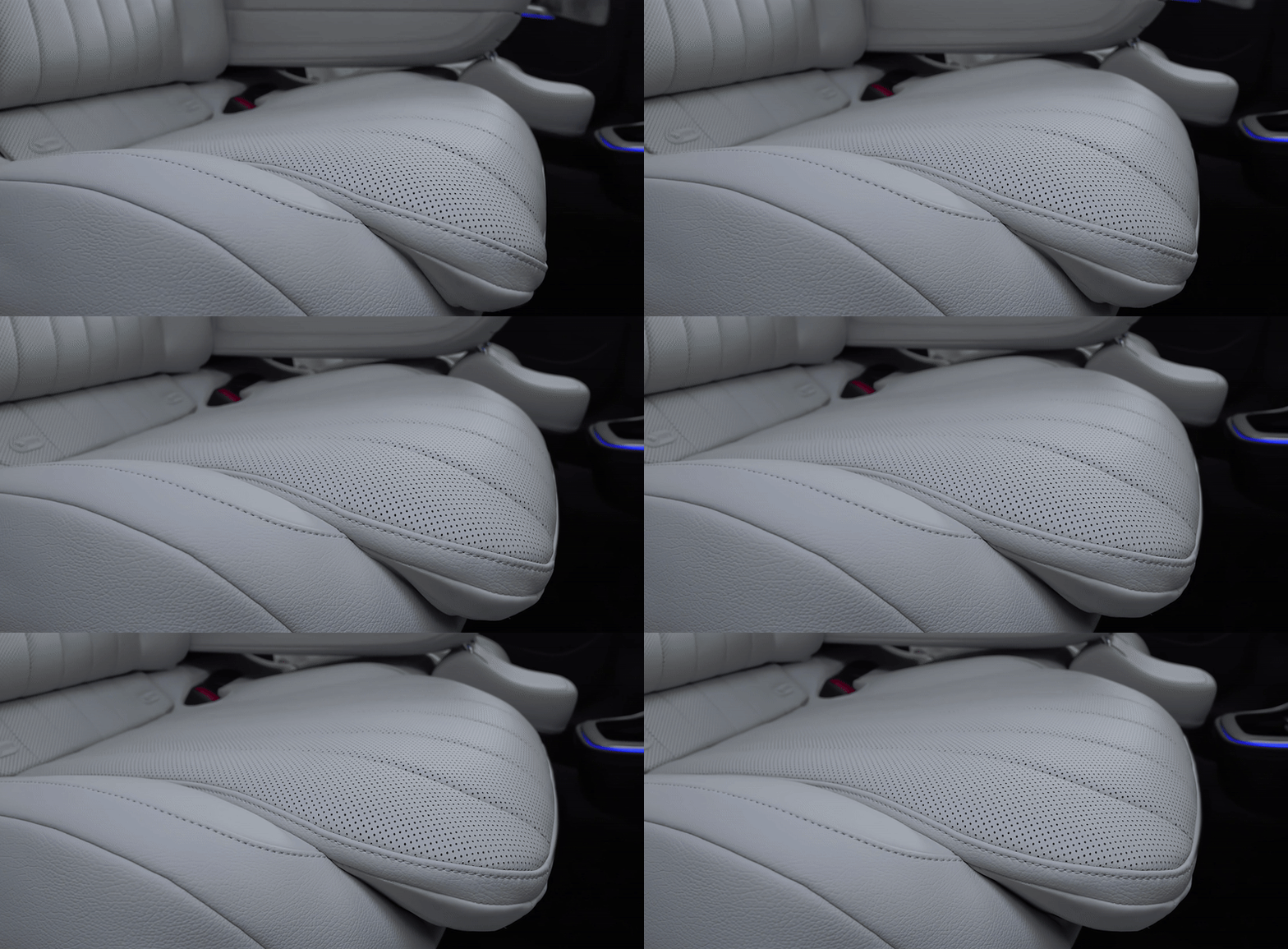
In other words: the seat is the result, not the cause. A car with an expensive seat but a soft chassis and a poor suspension system will still leave its occupants feeling like they’re swaying and rocking with seasickness. Conversely, a car with a solid chassis and a smart suspension system can still deliver the comfort you need, even with a fairly standard seat. This is also why genuinely luxury car brands pour so much investment into the “invisible” parts – the chassis and the suspension – before they ever decide what kind of leather to wrap the seats in.
IV. The Seat and Something More Important Than Comfort
Among car enthusiasts, plenty are willing to rip out an entire factory seat set and swap in gaming chairs or suede-wrapped bucket racing seats, just to indulge a personal passion. Some love the classic look of fine leather; others are obsessed with the snug hold of a carbon-fiber sport seat.
But more important than any debate about comfort, fit, or upholstery material is this: safety, in case something goes wrong.
A seat can be beautiful, comfortable, and unique, but it means nothing if it isn’t designed to protect the people inside in a crash. That’s why the more premium a car is, the more carefully its safety features are engineered, not just in the number of airbags, but in the frame structure that absorbs impact, the seatbelt pretensioner system, seat frames designed to reduce neck injury in a rear-end collision, and the countless sensors working to prevent an accident before it ever happens.
That’s also part of why Mercedes and Volvo take such pride in their safety heritage. Even Porsche, committed as it is to a purebred sporting philosophy, never compromises on a body structure calculated through thousands of hours of testing, both inside and outside the wind tunnel.
Whichever seat you choose: the thrill of the driver’s seat or the power of the executive seat, even the Queen Seat in the Volkswagen Teramont Pro, behind that soft layer of leather there always needs to be a solid foundation: chassis, wheels and tires, suspension, and above all, a trustworthy safety structure that protects you and your loved ones on every road.
At Suốt Ngày XE, we believe a truly beautiful seat is one whose presence you never even have to notice. That’s what makes a seat genuinely beautiful.