


There is an image every young man who grew up in Vietnam in the 1990s carries in his memory: a remote control toy car, made in China, racing furiously across the floor, suddenly stalling, its wheels slowing down, until it comes to a complete stop: the battery has died.
Every child has shaken an Eagle or Rabbit battery in their hand, rubbing and blowing on the two contact points, hoping for a few more seconds of life before running off to buy a new one.
Thirty years later, the story of a dead battery no longer fits in the palm of a child’s hand. It has swelled into a trillion dollar industry, into a geopolitical rivalry between superpowers, into a constant worry for every automaker in the world: will the supply of battery cells be sufficient, stable, and affordably priced enough to keep electric vehicles rolling?
Watch Batteries to EV Batteries: A Journey from Miniature to Massive
The history of batteries has always moved hand in hand with the evolution of devices. When Eveready invented the first miniature battery in the late 1950s, most of the world had already stopped winding their watches by hand.
The watch battery, or button cell, is the most modest member of the battery family. No bigger than a coin, with a capacity of only a few hundred milliampere hours, it can nonetheless keep a wristwatch running for years thanks to the extremely low power consumption of a quartz movement.
This is where the modern battery industry first took shape: stable electrolyte chemistry, high energy density packed into a tiny space, and a long lifespan.
A step up, we find the more familiar household batteries: AAA and AA, sitting in the drawer of every household, powering the television remote, switching the air conditioner on and off, lighting up the flashlight, running the computer mouse, and providing energy for children’s toys and adult vibrators.
This tiny energy playground has been dominated for half a century by two American brands, Duracell and Energizer, both of which built their identities around the image of a pink bunny that never seems to run out of energy.
The rivalry between these two giants is, in essence, a miniature version of the race now playing out at the scale of the electric vehicle battery industry: whoever holds the better chemical technology and controls the supply chain more efficiently is the one who captures market share.
Then came the mobile phone battery, the turning point that carried lithium ion technology out of the laboratory and into everyday life. When Sony commercialized the first lithium ion battery in the early 1990s for camcorders, and later for mobile phones, the world encountered the concept of “recharging a battery” for the first time, rather than simply replacing one.
High energy density, light weight, low cost, and freedom from the memory effect that plagued older NiCd batteries: these were the qualities that turned lithium ion into the new standard.
And finally, scale that same chemistry up a thousandfold and you get the electric vehicle battery: no longer a single cell, but thousands of lithium ion cells wired together and managed by a complex electronic system, generating a formidable block of energy powerful enough to push a multi ton car hundreds of kilometers at breakneck speed.
From the wristwatch to the Lotus Eletre, the god of wind, tearing down the highway, the chemical thread that connects them all is lithium: the lightest metal on the periodic table, and also the very thing igniting the fiercest raw material race of the twenty-first century.
The Race Underground: Whoever Controls the Raw Materials Wins Big
If a phone battery needs only a few grams of lithium, an electric vehicle needs tens of kilograms of raw material: lithium, cobalt, nickel, graphite, and manganese, all mined, refined, and processed through multiple stages before becoming the cathode and anode of a finished battery cell. And at every one of these critical refining stages, China stands almost alone at the top.
It is no accident that market analysts call refining the “bottleneck” of the electric vehicle battery supply chain, a step even more critical than raw extraction itself.
China controls the majority of the world’s mining and refining capacity for critical minerals, accounting for 69 percent of mining activity and 92 percent of processing capacity for the raw materials essential to batteries. More specifically, the country holds 41 percent of the world’s cobalt through investments in mines in Congo, 78 percent of graphite, 28 percent of lithium, along with ambitions to take the lead in nickel as well within the next few years.
As for lithium, the metal often described as the “new oil” of the twenty-first century, the level of concentration is even more staggering. Estimates suggest China controls 65 to 75 percent of global lithium chemical refining capacity, turning the country into an almost irreplaceable processing funnel for both lithium hydroxide and lithium carbonate, the two mandatory input materials for every cathode plant in the world.
That is not all. China also controls more than 90 percent of rare earth elements, on top of the broader chemical refining technology used for batteries in general.
This dominance did not come from geological luck. It was forged through deliberate industrial policy: subsidized energy, integrated industrial clusters where refining plants sit right next to cathode material factories, which in turn sit right next to cell assembly plants. An absolute advantage in transportation and labor costs.
The result is that even when another country manages to refine raw lithium, the next stage, cathode active material (CAM) production, still circles back to China’s ecosystem, which holds 84 percent of announced global CAM production capacity, while South Korea, in second place, holds only 8.6 percent.
It is precisely this master level concentration that means whenever Beijing tightens the export valve on any strategic mineral, the entire global automotive industry holds its breath and prays.
No factory in Europe or North America can be built overnight to replace refining capacity that China has spent more than a decade building up. That is why analysts forecast that by 2030, China will still control at least 70 percent of global battery and raw material output, with certain minerals such as cobalt and graphite potentially exceeding 80 percent market share.
The Power Map of Cells: China, Korea, Japan, and the American Dream
Before tracing this power map, it is worth separating two stages that are often confused with each other: manufacturing the battery cell and assembling the battery pack.
Cell manufacturing, the stage that creates the battery at the electrochemical level, from building the cathode, anode, and electrolyte to assembling them into a finished cell in prismatic, cylindrical, or pouch form, is the core stage, demanding the most complex technology and the hardest to replace anywhere in the supply chain. It directly determines energy density, charging time, lifespan, and safety.
Pack assembly is a different story: hundreds, even thousands, of cells are connected into modules, integrated with a battery management system (BMS), a cooling system, and a protective housing to form the complete battery pack fitted onto the vehicle.
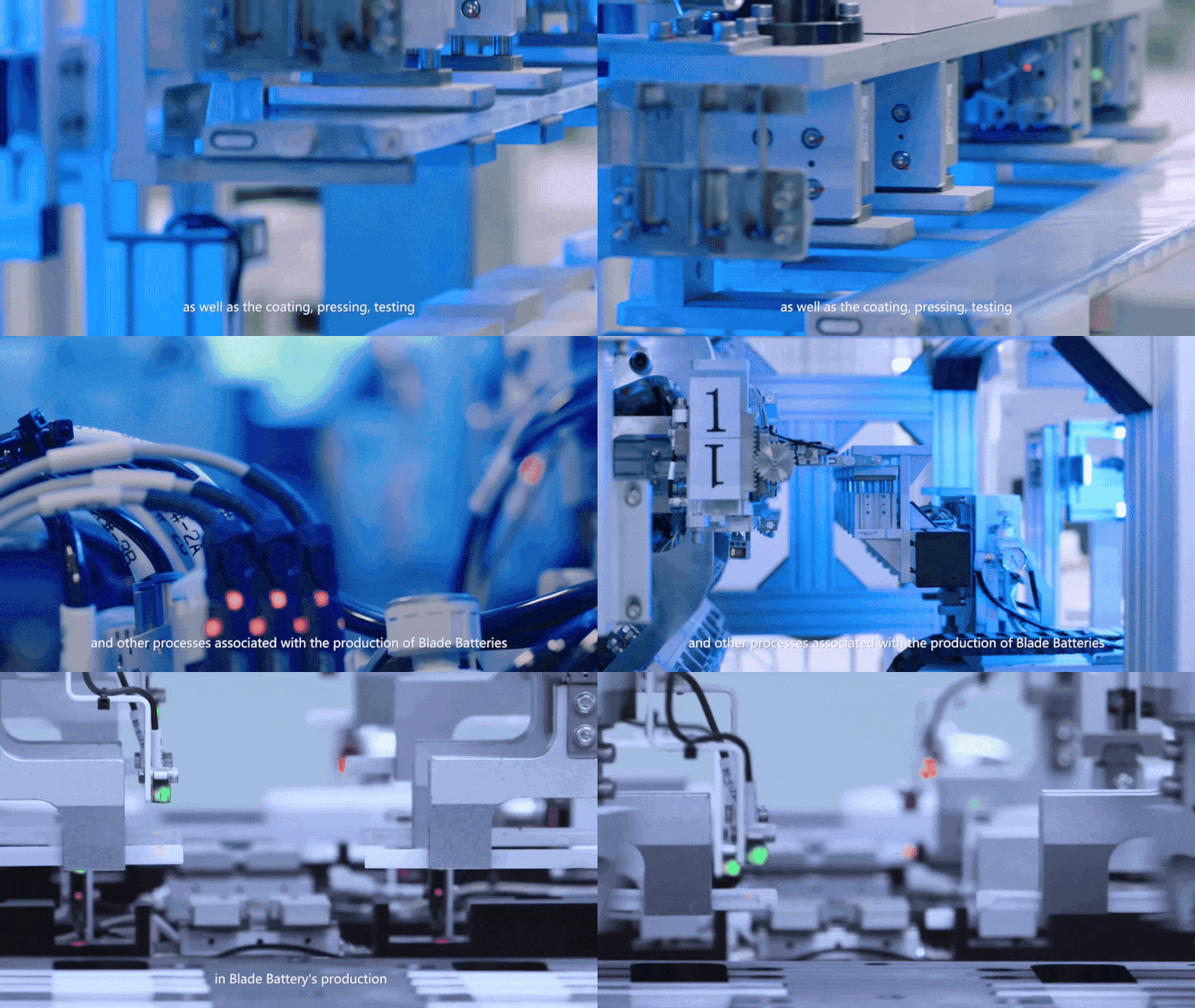
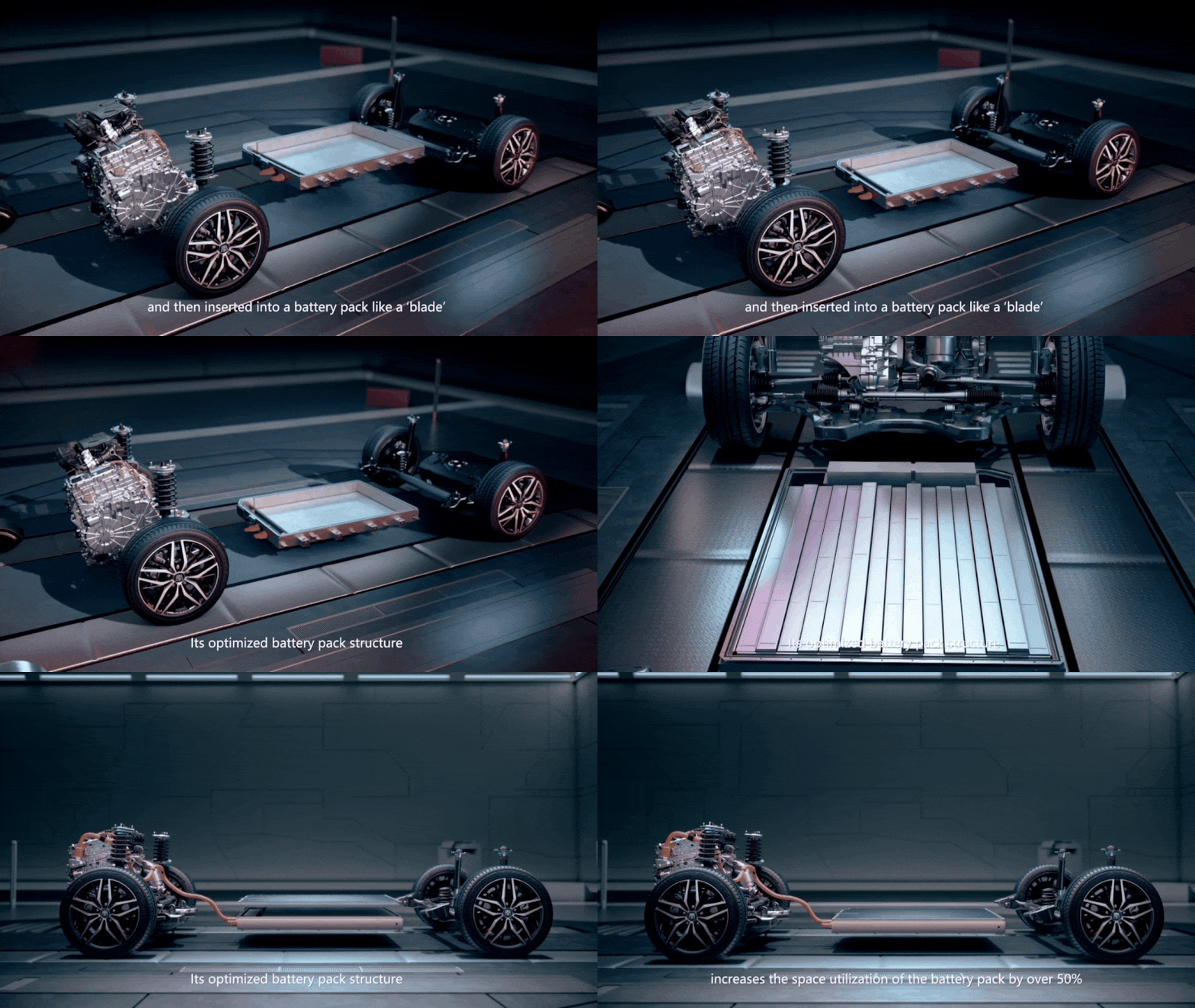
This stage can be handled by the cell manufacturer itself, the way BYD does everything from A to Z with its Blade Battery, or it can be handled by a third party, usually the automaker, which assembles cells purchased from an outside supplier.
When it comes to cell manufacturing, the true heart of the game, the world is watching a three way race between China, South Korea, and Japan, while the great United States plays catch up.
China
China is dominating the game completely, with an estimated 80 percent share of global cell manufacturing capacity. CATL, the world’s largest battery maker, alone accounts for 40.7 percent of the global electric vehicle battery market in the first quarter of 2026, leaving every rival far behind.
Following close behind is BYD with its signature Blade Battery technology. CALB and Gotion High Tech also make the top five list of the planet’s largest battery suppliers.
Korea
Korea fields a trio of its own: LG Energy Solution, the world’s third largest battery maker, supplying batteries to Tesla, Hyundai, GM, and Volkswagen; SK On, known for high performance pouch cells; and Samsung SDI, associated with next generation battery technology.
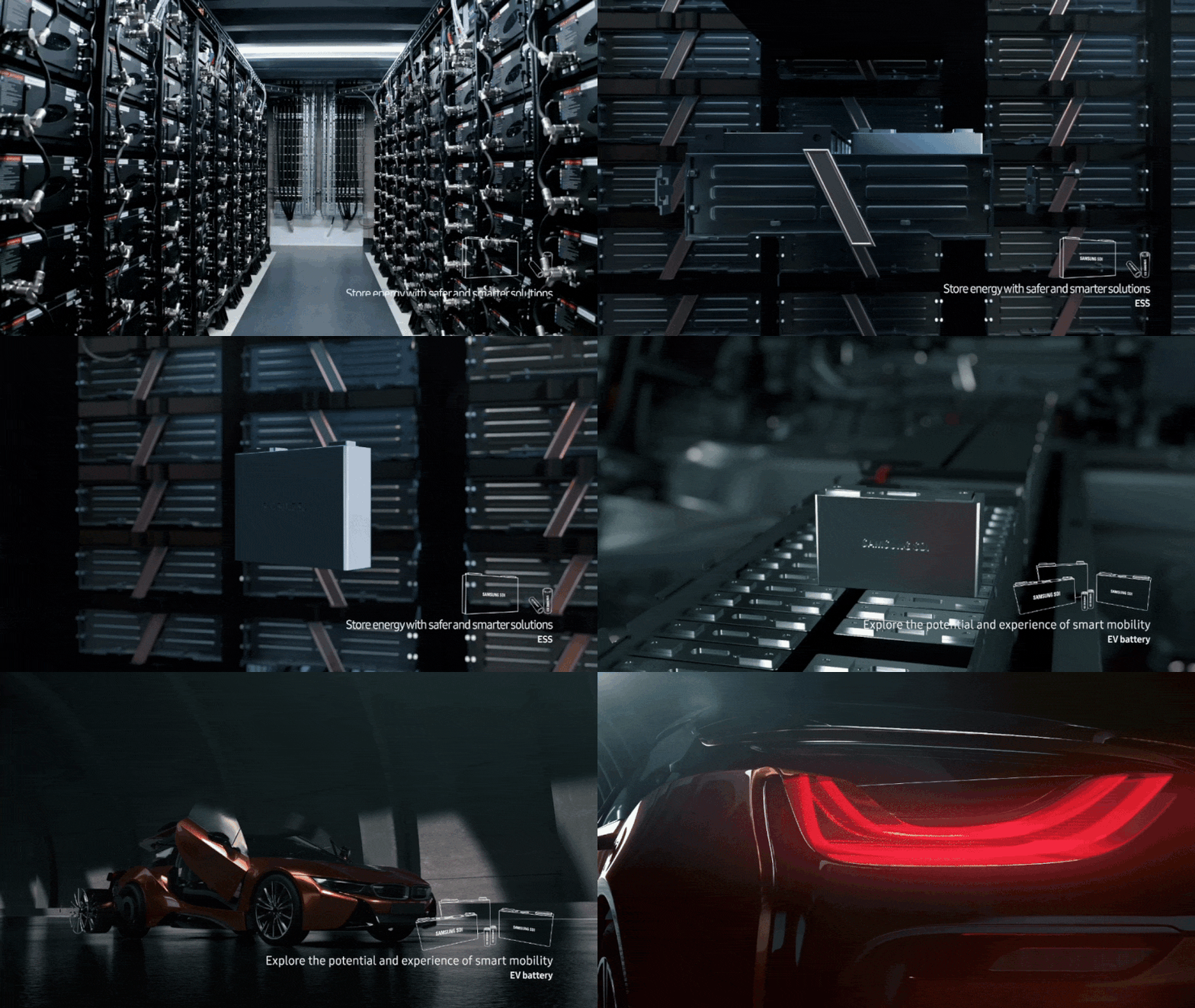
However, this Korean trio is under heavy pressure: their combined market share fell to just 15.6 percent in the first quarter of 2026, partly because demand in the United States has slowed and several vehicle models that used their batteries have been discontinued.
Japan
Right behind South Korea sits Panasonic, a name tied to Tesla’s history from the very beginning. Sony walked away from the battery business a long time ago.
Japan’s real strength does not lie in cell manufacturing, since it has already been left far behind by China and South Korea, but rather in the supporting materials supply chain: fibers, plastics, and films.
Japanese material makers such as Toray and Asahi Kasei supply engineering plastic separators and electrolytes to South Korea’s cell factories, forming a symbiotic, brotherly relationship rather than head on competition.
In fact, four Chinese companies, three Korean companies, and three Japanese companies together account for 90 percent of the global battery cell market, proof that the electric vehicle battery race, at the end of the day, remains a stage owned by East Asia.
The United States
Although it does not directly own a battery brand, the United States is building a massive battery manufacturing ecosystem through joint ventures and factories built on American soil.
- Ultium Cells, a joint venture between General Motors and LG Energy Solution, with plants in Ohio, Tennessee, Michigan.
- Panasonic Energy, with a large-scale plant in De Soto, Kansas, dedicated to producing batteries for Tesla’s factory.
- BlueOval SK, a joint venture between Ford and SK On, which (once) built plants in the Kentucky and Tennessee.
This is the “standing on the shoulders of giants” strategy, a roundabout path for the great United States to gradually reduce its dependence on the Asian supply chain.
DC Fast Charging in Electric Vehicles: Hardware Meets Software
Having a good battery is not enough. Figuring out how to “fill” that battery with energy in the shortest possible time is the problem that gives electric vehicle owners a headache.
Not every new energy vehicle needs DC fast charging. The battery capacity of a plug in hybrid (PHEV) hovers around only 15 to 20 kWh, much smaller than that of a pure electric vehicle, which typically runs 50 to 100 kWh.
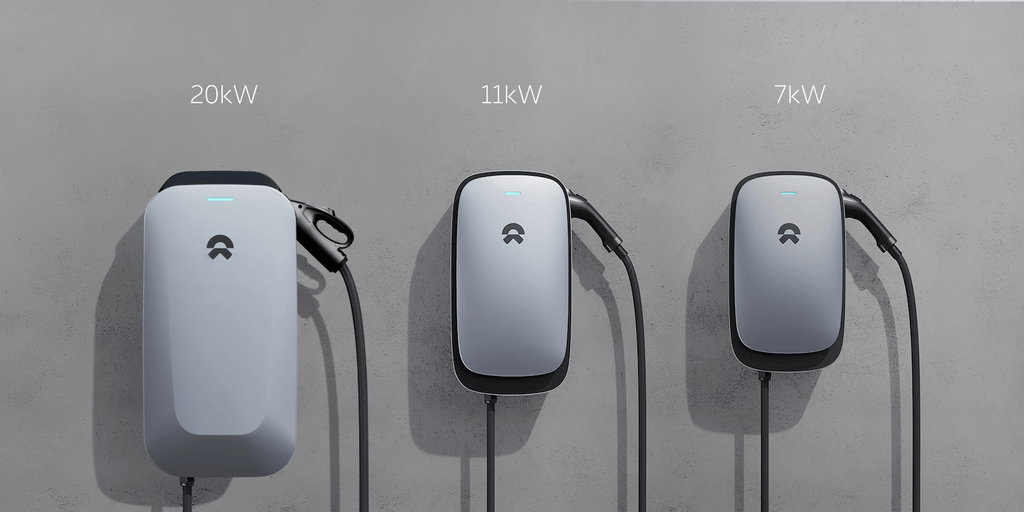
With such a modest capacity, the time it takes to charge fully using AC power at home, or with a compact fast charger, is already good enough, without necessarily relying on a DC fast charging station out on the road.
But for a PHEV to be able to fast charge on DC power the way a pure electric vehicle can, or for a range extended electric vehicle with front wheel drive such as the VinFast VF Wild pickup, which runs 200 km on electric power alone per charge, the manufacturer has to add an entire system of both hardware and control software, and every additional component drives up production costs.
| Component | Role in DC Fast Charging |
| CCS2 Charging Port | Adds two dedicated DC pins alongside the AC pins; CCS2 is the most widely used charging standard in most markets around the world. |
| DC Power Line from Port to Battery | Requires high voltage cabling, dedicated relays and contactors, and fuses rated for high DC current; DC charging flows straight into the battery, bypassing the vehicle’s onboard AC charger. |
| High Voltage Disconnect Switch, Pre-charge Circuit | Safely opens and closes the charging circuit and limits inrush current at the moment of connection; battery systems typically use multiple main contactors and dedicated charging contactors. |
| Charge Controller and CCS Protocol | Communicates with the charging station about voltage, current, battery status, temperature, and starts or stops the charging session. |
| Battery Management System (BMS) | Controls charging current based on temperature, state of charge, and battery age; this is the brain that decides how many kW the vehicle actually receives from the charging station. |
| Battery Cooling System | Even though a PHEV battery is small, fast charging still generates heat; an effective cooling path and thermal control are needed to maintain charging power. |
Closing the Circle
Let us return to that Chinese toy car on the floor back in the 90s, the very thing that once made a child shake a battery in their hand searching for a few more seconds of life.
Thirty years later, the very country that manufactured millions of those cheap toy cars now holds the key to the entire global electric vehicle industry: from the lithium mines, to the refining plants, all the way to the battery cells now running inside tens of millions of real cars, no longer toys, all across the world.
What is interesting is that the nature of “the battery dying” has not changed at all across three decades, only the scale has. Back then, a child worried about a toy car stopping in the middle of the floor; today, the automotive industry grows restless at the thought that a single country could suddenly tighten the valve on mineral exports, forcing millions of electric vehicles still on the assembly line into hibernation.
As of September 2026, 3 out of every 10 new cars on Vietnam’s roads are NEVs. It all shows that the world’s underlying power is shifting from oil beneath the ground to this new energy frame of reference. The winner becomes the king; the loser becomes a concubine.