After 24 years on the market, the Toyota Vios, assembled locally since 2003, remains the car with the highest cumulative sales. The VinFast VF3 and VF5, both launched just a few years ago, have confidently made their way onto the list, parking alongside some of the market’s most established names.
Twenty-four years and just a few years. Two measures of time sit side by side in the same ranking. The interesting part lies in the distance between those two numbers.
The Early Arrivals Dug the Well
The first thing that stands out in the list is the national origin of these cars: Japan and the United States dominate. That is hardly surprising when we recall 1995, the milestone year when Japanese and American automakers began arriving in Vietnam. Toyota, Mitsubishi and Ford came early, with a very mainstream strategy: selling cars to the mass market.
| Rank | Model | Units Sold | Reference Price |
| 01 | Toyota Vios | 276,244 | VND 488 million |
| 02 | Toyota Innova | 151,931 | VND 825 million |
| 03 | Ford Ranger | 148,164 | VND 776 million |
| 04 | Mazda CX-5 | 143,156 | VND 749 million |
| 05 | Mitsubishi Xpander | 142,704 | VND 659 million |
| 06 | Hyundai Accent | 134,968 | VND 489 million |
| 07 | Toyota Fortuner | 128,552 | VND 1.165 billion |
| 08 | VinFast VF5 | 120,900 | VND 496 million |
| 09 | VinFast VF3 | 111,857 | VND 285 million |
| 10 | Mazda3 | 98,520 | VND 644 million |
In the automotive business, arriving early does more than win customers. It means digging a well. That well is a dealer network, a stockpile of spare parts, mechanics who know the car inside out, and lightning-fast resale liquidity in the used-car market.
Trust in the automotive industry is built on things this concrete, and this seemingly mundane, accumulated over thirty years. That is why a Japanese compact sedan has stayed at the top of the chart for more than two decades, without needing a massive communications campaign, paid review videos, or a dramatic reinvention. It simply keeps moving forward…

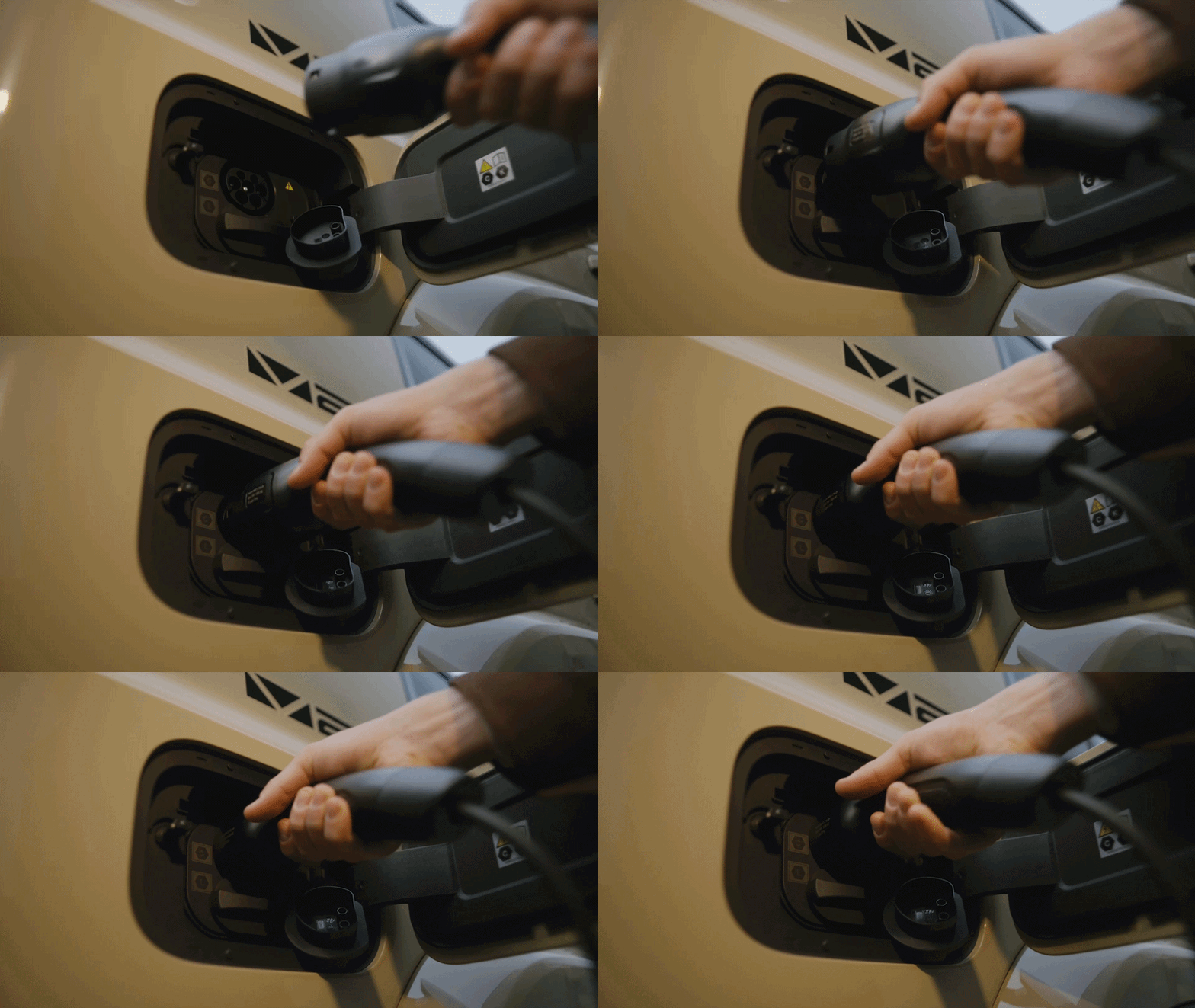
Then VinFast joined the game, breaking the rules in its own unmistakable way. Usually, earning a place in the history books costs time. The VF3 and VF5 paid with something else: prices below those of similarly sized gasoline cars (the VF3 starts at around VND 285 million), a free-charging ecosystem, and versions designed for commercial fleets, where sales are counted in batches rather than individual units.
Suốt Ngày XE noted in its October 2026 news roundup that VinFast held 38% market share, regardless of whether the vehicles were gasoline-powered or HEV or BEV, after the first nine months of the year, in a market up 28.4% year on year. A young automaker is taking a path that established brands needed an entire generation to travel.
Two Battlegrounds: Sedans and MPVs
If the ranking is a map, there are two territories that every generation of car buyer has passed through: the VND 500 million sedan and the family MPV.
The Sedan Battle: Vios vs. City
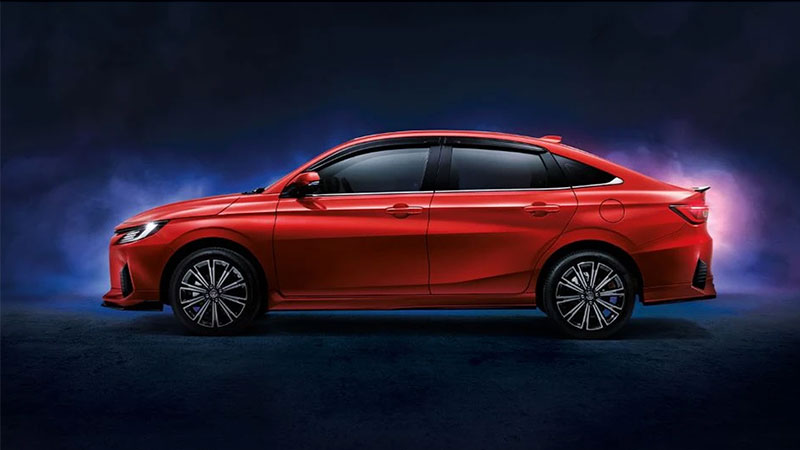
When people talk about B-segment sedans, they mention the Toyota Vios and Honda City like two chess players from the same school. They have been battling for years, trading monthly wins and losses, but the central axis of the contest has not changed.
In the first four months of 2026, the Vios led the segment with 3,487 units, while the City followed closely with 2,165. By September 2026, both had grown, and the Honda City surged to the top of the group after the launch of its facelift.
The contest is getting more compelling, but the ground they are fighting over is shrinking. Combined sales of the five leading B-segment sedans in September totaled just over 2,000 cars.
Buyers are now looking toward higher ground clearance, versatile five- to seven-seat vehicles, and cars that seem to offer a long list of features at first glance. The VND 500 million sedan is like a family-run pho shop: still busy, still delicious, but the whole street has moved on to selling something else.
The Toyota Vios has been standing there since 2003, while the Daewoo Lanos, Kia Rio, Suzuki Ciaz and Nissan Sunny have long since gone to the automotive graveyard. This says something about first-time car buyers. People may sit in other cars, but when it comes time to spend their own money, they choose the option with the least risk. The Vios embodies the idea of “low risk.”
The MPV Battle: Innova vs. Xpander
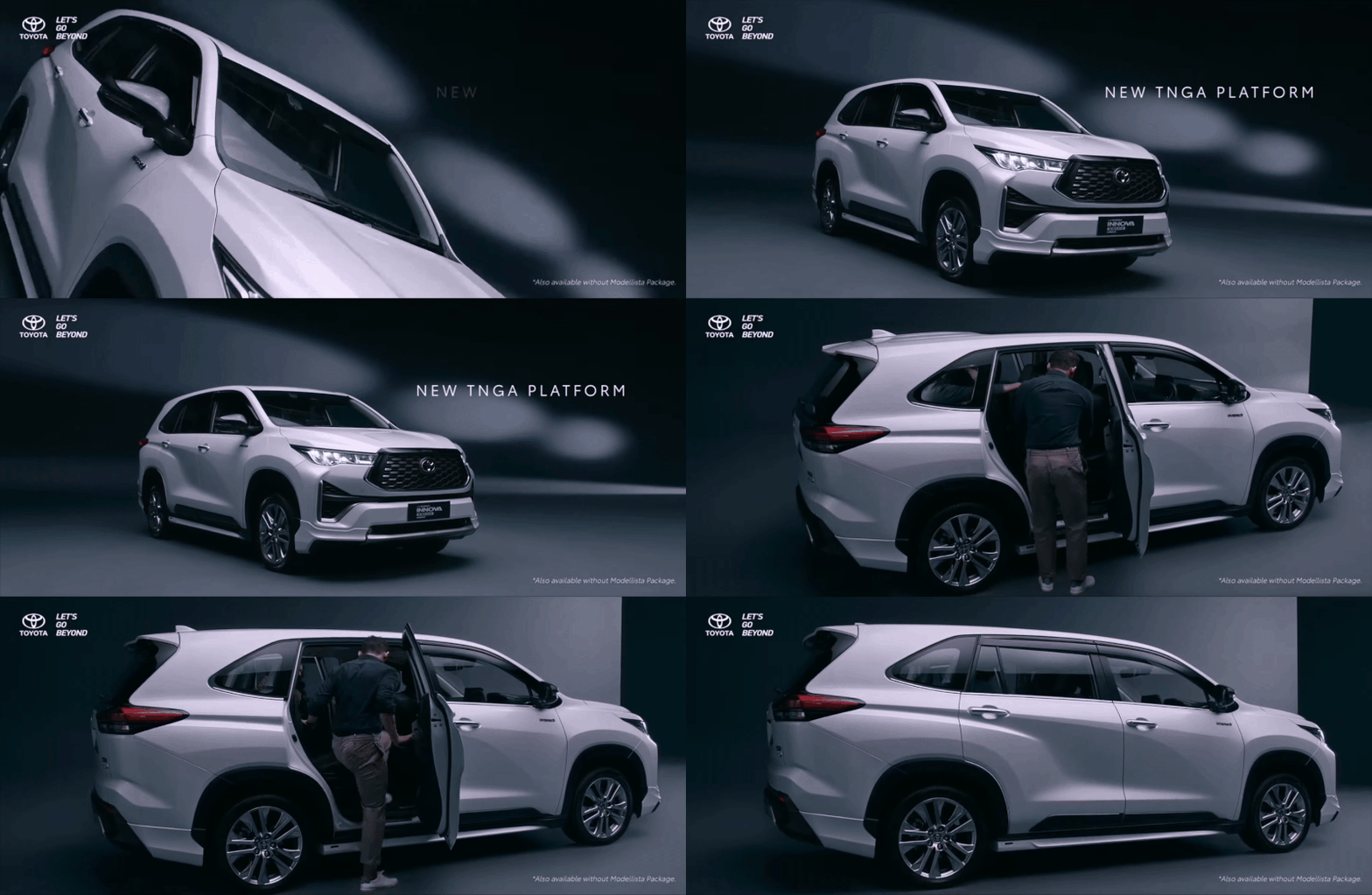
The seven-seat battlefield is noisier. The Toyota Innova arrived first and dominated the seven-seat MPV market for more than a decade. Then the Mitsubishi Xpander took its place at the table, eating up the market from its launch on August 8, 2018, right through to today, with no sign that it is full.
As of September 2026, according to Suốt Ngày XE, the Xpander still held on to the top spot in the mainstream MPV segment, while the Toyota Veloz, Kia Carens and Hyundai Stargazer were not yet mounting a truly determined chase.
The Innova has not stood still: it has responded with the higher-riding Innova Cross, changing the way it plays rather than changing the player.
But my longer-range view lies elsewhere. Both battles, sedan and MPV, are internal contests among Japanese automakers. From the outside, it looks like a competitive market.
In reality, the players are following the same rules: durability, resale value, liquidity and after-sales service. They wrote those rules more than twenty years ago.
The VND 600 Million Price Tag
Now try a little calculation: take the prices of the ten models in the table, add them up, and divide by ten. Rounded, the result comes out at around VND 600 million.
It is not a scientifically precise calculation, but it carries the weight of reality. When everything is mixed together and averaged out, what remains is the budget Vietnamese buyers have in mind when deciding to buy a car.
VND 600 million is also the liveliest segment of 2026. Suốt Ngày XE calls B-segment five-seat crossovers the “most appealing most crowded” segment in the market.
Count the names competing at this price: Japanese, Korean, Chinese and even Czech cars, with more than 20 five-seat crossovers to choose from.
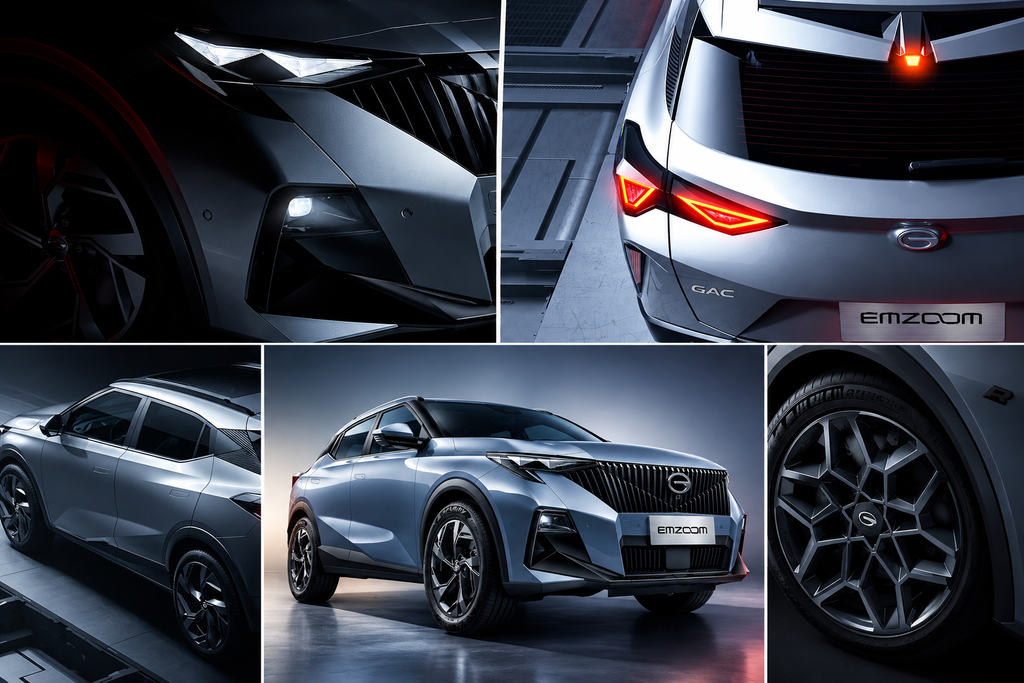
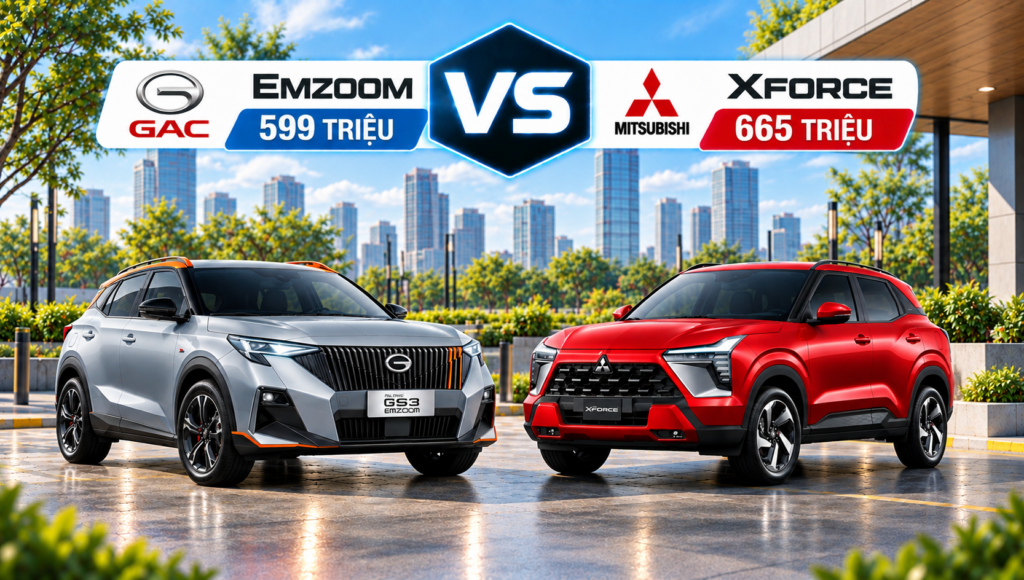
The Skoda Kushaq sits alongside the Geely Coolray at the VND 500 million mark. The GAC Emzoom is offered at VND 599 million after incentives. The Jaecoo J5 EV, listed at VND 749 million, has been reduced to VND 599 million for early customers.
The VinFast VF6 remains at the head of the segment, with the Toyota Yaris Cross, Kia Seltos and Mitsubishi Xforce right behind.
A decade ago, “under VND 500 million” meant an entry-level, usually a B-segment sedan such as the Vios, City or Accent. Now, thanks to the price-cutting race and the entry of Chinese carmakers, for the same amount, or just a few tens of millions more, buyers can walk into a dealer and find: a sunroof, power-adjustable leather seats, a 14-inch screen, a 360-degree camera, a driver-assistance package and an eight-year warranty. Yes, wow!
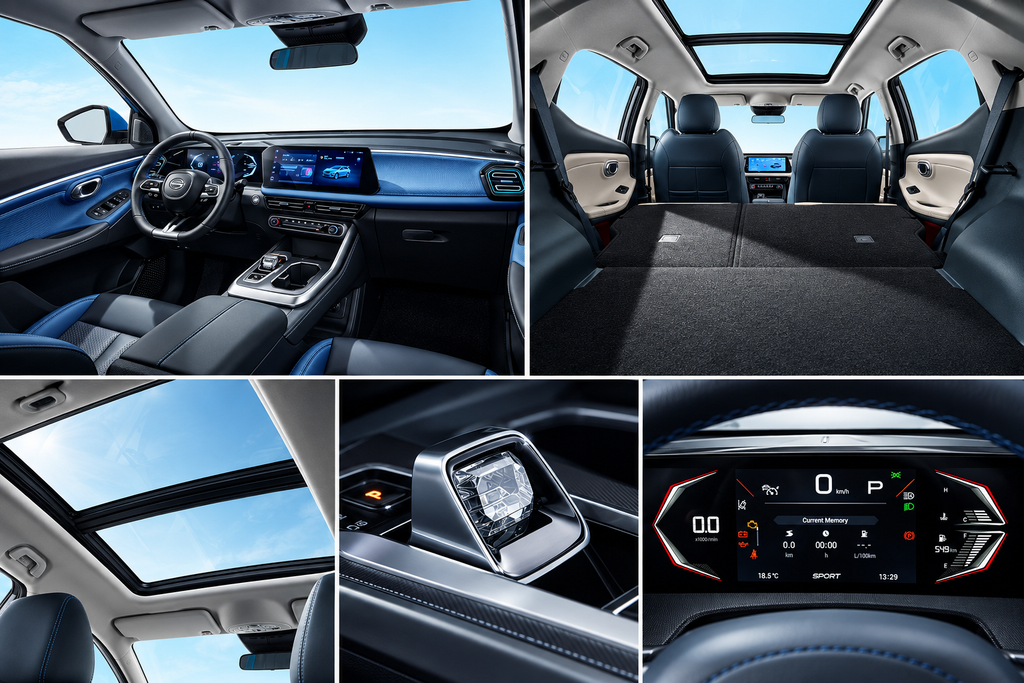
For buyers, more than 20 choices are a gift, but sometimes they can also be a headache. I call it the “decision” problem: the more options there are, the harder it is to commit. And when it is hard to decide, people go back to asking family, friends and the crowd. This is exactly when a brand’s “image value” comes into play.
The Next Five Years: China’s Time
The first wave of Chinese cars, roughly from 2020 to 2024, was a contest of specifications and price on a playing field whose rules had been set by Japan, Korea and the United States for decades: brand trust, dealer coverage, spare parts and maintenance.
The second wave, from 2024 to the present, led by BYD, Geely, Lynk&Co, Omoda, Jaecoo and Wuling, is a calculated landing: joint ventures, assembly plants, pricing strategies, brand building, community engagement, a well-prepared playbook…
Established brands tell stories through their history. Chinese brands tell theirs through what customers can see and hear the moment they open the car door.
They understand all too well that, for mainstream customers, the first impression comes through the eyes. The Jaecoo J5 winning “Best Equipped Car” at the 2026 Car Choice Awards is entirely deserved. A great deal at the VND 600 Million price point.
Putting the pieces of the market together, I arrive at my own forecast for the VND 600 million segment: over the next five years, Chinese brands such as BYD, Geely, Omoda, Jaecoo and MG will gradually push the “image value” of Japanese and Korean brands out of the minds of young first-time car buyers.
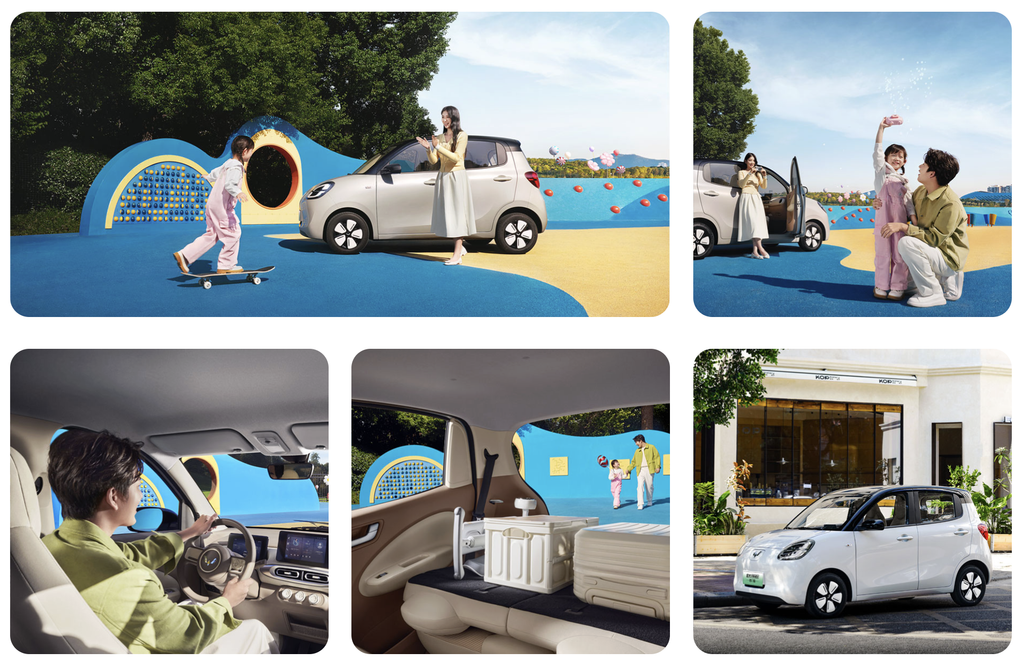
The reason I believe this lies in how “image value” is formed. For the older generation, Toyota, Honda, Mitsubishi and Suzuki represent durability, strong resale value and the reassurance of “buy it and feel at ease.” That image was built through collective memory.
But today’s 25 to 30-year-olds do not inherit that memory in the same way. They grew up in the internet, the AI era, and their measures of a “good car” lean toward styling, screens, ADAS, AMG bodykits, ambient lighting and features.
Chinese brands respond directly to those criteria, adding longer warranty periods. GAC Emzoom offers a seven-year warranty; BYD provides six years for the vehicle; Jaecoo J5 goes up to eight years or 200,000 km, while some mainstream Japanese and Korean models stop at three years, with a maximum of five.
Figures for 2025 show that only around 17,000 Chinese cars underwent their first vehicle inspection, accounting for less than 3% of the country’s passenger-car market.
Even in today’s hottest VND 600 million segment, as of September 2026, no Chinese model had made it into the top 10 B-segment CUVs, despite their attractive designs and extensive equipment.
Back to the ranking. The ten names on it are written in the past tense: they have sold, they have won, they have shaped the market. No one can change that.
But the VND 600 million figure is written in the future tense. If the ranking of the ten best-selling cars in history is redrawn ten years from now, I would not dare guess who will remain, who will disappear, or who will be discontinued.
But one thing is certain: PHEVs, extended-range electric vehicles, and all-rounders that can both attack and defend will appear. The next day, now!