

2025 exploded like fireworks, opening a new chapter in the history of Vietnam’s automotive market—not merely because 600,000 vehicles were sold (the highest figure in the past 30 years), but because of a profound shift in consumer behavior and in how Vietnamese people perceive cars in their daily lives.
- Internal combustion vehicles account for 69% of the market
- Electric vehicles, aggressively led by VinFast, capture 29%
- Hybrid and PHEV vehicles remain modest at just 2%
Vietnam’s 2025 automotive data reveals a paradoxical transformation. While traditional internal combustion engines still firmly hold the crown with 69% market share, VinFast—fueled by an intense Vietnamese spirit—has written an extraordinary story by pushing electric vehicles to 29% of the market, a figure that leaves even many developed nations in wow.
Do these cold numbers reflect the ambition of a developing economy attempting a “leapfrog” strategy—skipping transitional phases altogether? In this picture, hybrid and PHEV technologies, often considered the perfect bridge between past and future, lag behind at a mere 2%, like a tango missing its dance partner.
This raises an intriguing question: Are Vietnamese consumers truly betting on a fully electric future, or is this merely a fleeting moment before the market finds its balance again?
Best-Selling Electric Vehicle: VinFast VF3 – 44,585 Units Sold
When the VinFast VF3 became Vietnam’s best-selling pure electric vehicle, it wasn’t simply a victory for a domestic brand—it was proof of a mindset shift in how Vietnamese consumers view electric cars.
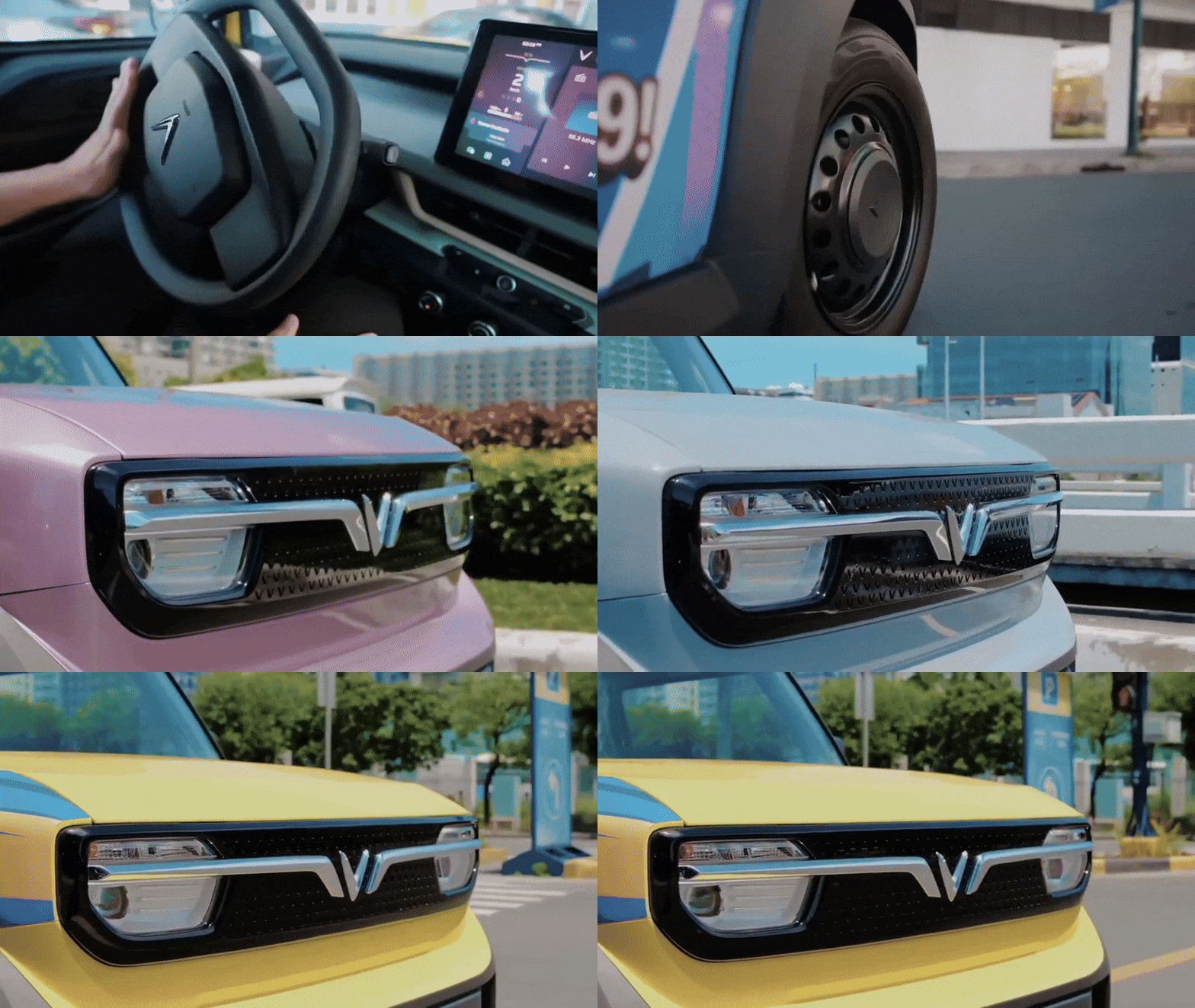
The VF3 is not a supercar, but it is easy to fall in love with. It doesn’t try to fit neatly into the traditional A-segment sedan or B-segment CUV mold. Instead, it embraces the role of a compact, friendly companion, with an approachable price point. This strategic wisdom reflects VinFast’s understanding that the electrification revolution doesn’t start with distant dreams, but with the most practical everyday need: having a four-wheeled vehicle to get around.
Today, long lines of VF3s parked side by side, or streaming out of Aeon Mall parking lots, are no longer a rare sight. What is remarkable is the creativity owners show in customizing their cars—tastefully modified from wheels to roof.
Best-Selling Hybrid Vehicle: Toyota Innova Cross – 3,021 Units Sold
As the market polarizes between past and future, the Toyota Innova Cross emerged in 2023 as a refined bridge connecting the two shores. As the best-selling hybrid, it represents buyers who are not rushing headlong into the new wave, yet refuse to cling to the past.
Nearly two decades at the top have cemented the Innova’s reputation. Since 2006, it has been the gold standard of brand trust in Vietnam. Taxis, government vehicles, shuttle cars, seven-seat service vehicles—before the Xpander era, out of every ten cars on the road, seven were likely Innova.

With a price exceeding one billion VND, the Innova Cross HEV has shed its service-vehicle image and repositioned itself as a family car for frequent travelers, where fuel efficiency matters. Toyota confidently claims a combined fuel consumption of 5 liters per 100 km—an exceptional figure for long journeys.
Best-Selling Gasoline Vehicle: Mitsubishi Xpander – 19,891 Units Sold
Launched in 2018, the Mitsubishi Xpander still stands firm like a fortress, remaining Vietnam’s best-selling gasoline vehicle. This is no accident—it is the inevitable result of deeply understanding Vietnamese psychology and real needs.
Xpander doesn’t promise futuristic technology or premium experiences. Instead, it delivers something more practical: reasonable pricing, reliability, and low maintenance costs. In a price-sensitive market like Vietnam—where sub-billion-VND cars dominate, fuel stations outnumber charging stations, and mechanics are more familiar than electronic engineers—the Xpander is a safe choice.
On a deeper level, the Xpander embodies the service-driver culture of pragmatism and responsibility. It doesn’t show off, doesn’t stand out, doesn’t ask for attention. It simply does its job: get passengers where they need to go, and return home early to the wife.
The Most Frequently Mentioned Benchmark by Competitors: Mazda CX-5
Some cars sell well because they’re cheap. The Mazda CX-5 achieved something rarer: it became the benchmark—the reference point every competitor must mention.
Across five- to seven-seat vehicles, from B- to C-segments, within the 800-million-VND price range, all face the unavoidable question: “How does it compare to the CX-5?”
This is not a self-appointed title, but a silent acknowledgment from both the market and consumers.
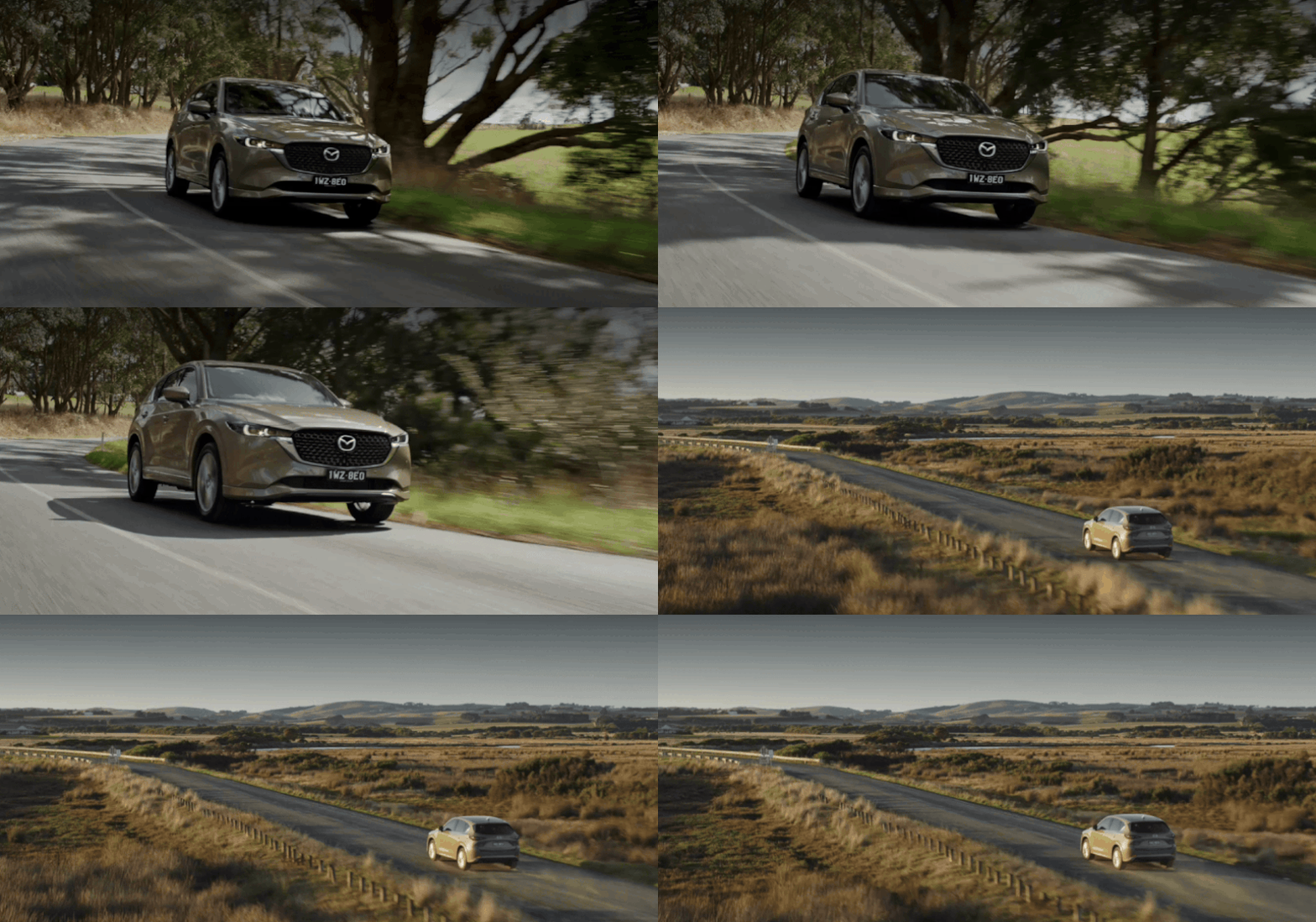
The CX-5 established a gold standard of balanced value: design, engine performance, driving feel, and maintenance costs. It redefined what “good value” means in the Vietnamese mindset. Many buyers still can’t explain why—after considering everything—they end up choosing the CX-5, even though it isn’t more beautiful than the Ford Territory, sharper than the Kia Sportage, or larger than the seven-seat Mitsubishi Destinator.
Becoming a benchmark is harder than being a market leader—it requires consistency, all-around excellence, and the ability to maintain position over time. The Mazda CX-5 has done this for over a decade, proven by nationwide CX-5 owner communities. Combined with the launch of Mazda’s 11,500 m² Flagship Showroom in Ho Chi Minh City at the end of 2025, Mazda clearly signals its readiness to elevate its standing.
The Loneliest Car: Toyota Camry in the Sedan Battlefield
There is a unique kind of loneliness in success—not when you defeat all rivals, but when your rivals leave the game. Toyota Camry is experiencing this as the last standing Japanese D-segment sedan in Vietnam.

Honda Accord has withdrawn. Mazda6 has followed suit. Kia K5 remains, but is still not on equal footing with the Camry in Vietnam’s automotive hierarchy. In that era’s sedan war, Camry demonstrated overwhelming dominance.
But this is not a story of victory—it is a story of steadfastness. While many brands pivot to SUVs and crossovers, Toyota—Vietnam’s brand with the widest model lineup—continues to believe in the value of traditional sedans. Camry represents a lifestyle and aesthetic that has become rare: elegance, maturity, and a touch of nostalgia.
Quick Snapshot: Vietnam Automotive Industry 2025
Each vehicle on this list represents a facet of contemporary Vietnamese society: bold innovation, smart balance, dependable pragmatism, excellence as a standard, and persistence against the flow of time. Together, they paint a vivid picture of a market searching for its own identity.
- Number of brands present: 45
- Total vehicles sold: 600,000
- New registrations in HCM City: 102,354
- VinFast total sales: 175,099
- Best-selling Toyota: Yaris Cross
- Best-selling Ford: Ranger
- Best-selling Honda: City
- Best-selling Hyundai: Tucson
- Best-selling Kia: Seltos
- Most viral new launch: Destinator
- Best-selling sedan: Toyota Vios
- Best-selling crossover: Xforce
- Best-selling SUV: Ford Everest
- Best-selling pickup: Ranger
The German Tone: Language of Status and Identity
Beyond the mainstream narrative, Vietnam’s automotive market contains another layer—where cars are declarations of identity and status.
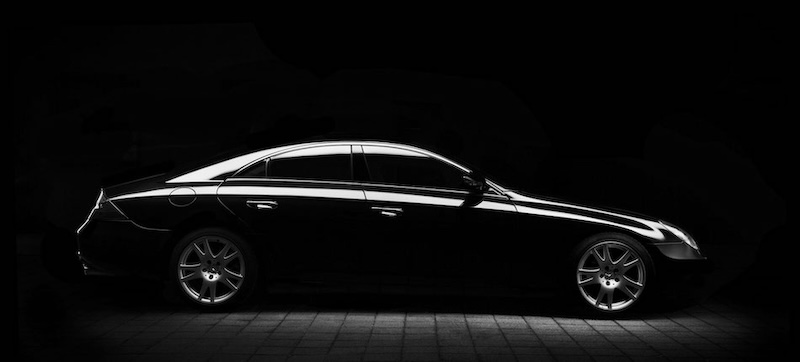
Volkswagen Teramont X and Viloran represent solidity and premium practicality. Mercedes—from C200 to GLE—symbolizes both the first dream and the ultimate aspiration. BMW Series 5 and X7 tell stories of driving emotion and celebrated passion. The four rings on Audi A6 and Q7 speak of prosperity without words.
In the Vietnamese psyche, German cars are not a choice—they are a best boy of choice, a reward for relentless effort, proof of a journey completed. That is why these vehicles, even if not topping sales charts, continue to run powerfully in the collective consciousness of millions.
“Better to own one car for a lifetime than ten cars for storage”. And throughout the entire automotive world, there is always another German car worth mentioning: The Porsche 911 — a car for every context, every era.