

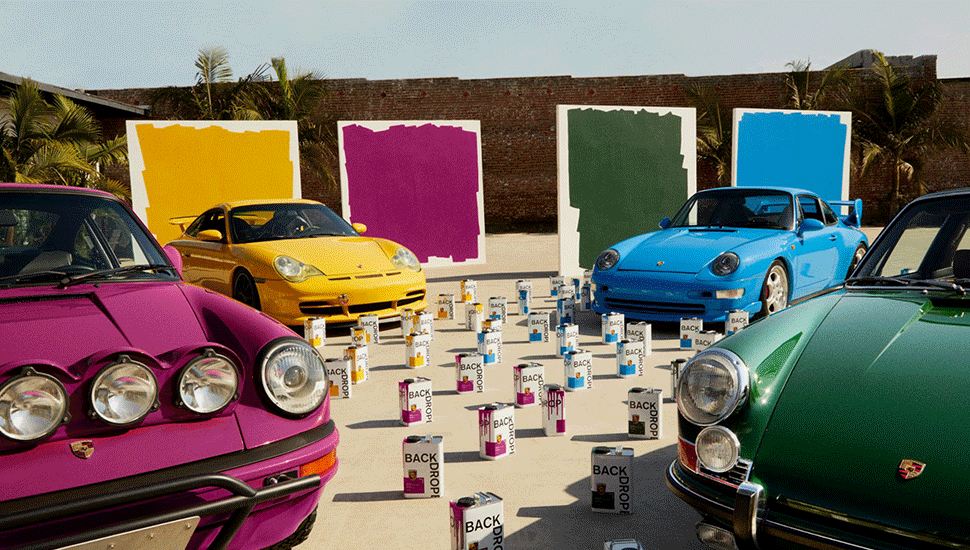
There are cars whose names alone bring their color to mind, as if the two were inseparable. Just close your eyes and say Daewoo Matiz, and that young-rice green comes to mind instantly, as fresh and vivid as cốm (young green rice) from Vong Village wrapped in a lotus leaf, forever tied to the image of these compact cars weaving through the streets of Saigon, Hanoi in the early 2000s.
The Toyota Zace comes in melon-rind green, a muted, faintly silvery shade that perfectly captures the “family car” feel of a not-so-distant era. The Mazda CX-5 went with a red called Soul Red Crystal not a loud, glossy red, but a deep one, as deep as a well-aged wine, so deep it became one of Mazda’s marketing weapons for an entire decade. And speaking of memorable colors, we can’t skip the older-generation Hyundai Santa Fe’s sand yellow, a color that seemed like it would only appeal to a niche crowd but ended up becoming a signature all its own, unforgettable to anyone who’s seen it.
What’s interesting is that none of these colors happened by accident. Behind every coat of paint lies a long story of materials science, where exterior designers and chemical engineers have to weigh aesthetic beauty against long-term durability. And here’s the most interesting part: not every paint color “lives” just as long under the sun and through thousands of washes.
When Light Becomes the Enemy (or the Ally)
Before going deeper into each color, it helps to understand one basic principle: the color our eyes see is simply the light reflected off the paint surface, while the rest gets absorbed. Black absorbs almost all light, while white reflects almost all of it. This difference alone determines the fate of each paint color when it comes up against the weather, UV rays, and the small knocks of everyday life.
A black car is like an unforgiving mirror. Every fine scratch, every small dent, every swirl mark left by an improper wash shows up crystal clear in the sunlight, as if a black surface has the power to magnify every flaw instead of hiding it.
On top of that, because it absorbs heat far more strongly than other colors, a black car sitting under harsh sun can run several degrees Celsius hotter on the paint surface than a white one, which makes the paint oxidize faster and lose its original gloss after just a few years if it isn’t well cared for.
On the other hand, white especially pearl white is a favorite on many luxury models, but it carries a different worry: yellowing. UV rays, combined with fine dust and air pollution, quietly break down the molecular structure of the clear coat, turning that pristine white gradually ivory over the years, much like a crisp white shirt fading into a dingy grayish-yellow. Ironically, because it reflects light so well, white absorbs the least heat of any color, which helps the paint “live” longer in physical terms even if the aesthetics are a different story.
If black and white are the two extremes of the spectrum, red is the color with the most drama of all. Red pigments are usually organic in origin, and that’s precisely their fatal weakness: organic pigments are far more sensitive to UV rays than the inorganic pigments used for blue or gray. That’s why plenty of red Ferraris and Mazdas, after a few years out in the rain and sun, start to fade from a “true red” into a washed-out, pale shade of red, living proof that UV rays have been quietly breaking down the color’s molecular structure day after day, hour after hour.
Yellow carries a different curse: instability. Sitting in the middle of the visible light spectrum, yellow is extremely sensitive to even the tiniest error in the paint formula or the aging process, and the smallest shift can push it toward orange, toward pale green, or leave it uneven in intensity across different body panels. Cars like the Lamborghini in its vivid lemon yellow, or the Porsche in its signature racing yellow, are exactly the kind of “difficult cases” that paint makers have to handle with extreme care to keep the shade consistent.
Green, especially a deep shade like the classic British Racing Green, is a story of rarity. Because it’s less popular in the mass market, green rarely gets the same meticulous formula optimization that black, white, or silver do. On top of that, making green means blending both blue and yellow pigments, and both of those components are sensitive to light in their own way, which makes green one of the hardest colors to keep looking original over time.
The Three ‘National’ Colors, and the Exceptions
If you look closely, almost every car model, before it even leaves the factory, comes with at least three basic paint options: white, gray (or silver), and black. That’s no coincidence, it’s a shrewd commercial calculation. These three colors are neutral and easy to match with any interior or exterior style, they hold the highest resale value on the used-car market, and they’re safe from a manufacturing standpoint since the paint formulas have been optimized over decades.
But cars, just like fashion, don’t always have “safe” mean the same thing as “beautiful.” Some models seem almost destined for a particular set of colors, and wearing anything else makes them look bafflingly out of place.
The Suzuki Swift is a textbook example: dressed in yellow, blue or red, this compact hatchback radiates youth and energy, exactly the spirit of a characterful city car. But that same Swift, painted white, suddenly loses all its charm, looking oddly flat and lifeless, as if it had lost the soul it was supposed to have.
Every now and then out on the road, you’ll spot a car whose shape and color just don’t belong together. Of course, that’s purely a matter of personal opinion.
And yet there’s one exception that leaves the whole Suốt Ngày XE community scratching its head: Porsche.
For some reason, almost any color you put on a Porsche’s body ends up looking supremely elegant. From “quirky” tones like Miami Blue, Lava Orange to muted shades like Chalk Gray or Oak Green, everything blends unusually well with the signature design lines of Porsche.
That’s probably the result of decades of meticulous research into the relationship between shape and light, and into shared, cross-cultural notions of beauty, helping Porsche land on a paint formula that hits the mark every single time.
Manufacturer’s Game, Buyer’s Headache
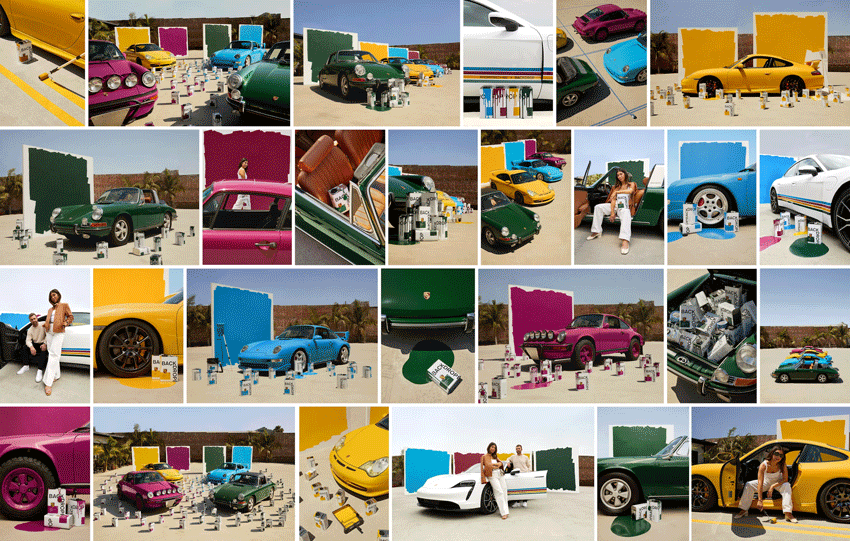
It’s no accident that every time a new model launches, automakers always pick one “hero” color to put on every ad banner, every piece of media. That’s the result of careful market research. The design and marketing teams have to weigh everything from color psychology to regional aesthetic trends, right down to how that color “photographs” under a camera lens and in showroom lighting.
And then it’s the buyer’s turn, and choosing a color is no easier for them either. Some people spend a whole week just deciding between white and gray; some hesitate, worried that picking a rare color will make the car harder to resell later; and quite a few choose their color based on feng shui. But for anyone who’s set their heart on choosing a particular, special color for a car that carries sentimental meaning, or simply a memorable first car, protecting the original factory paint before the car has even been driven is not something to be stingy about.
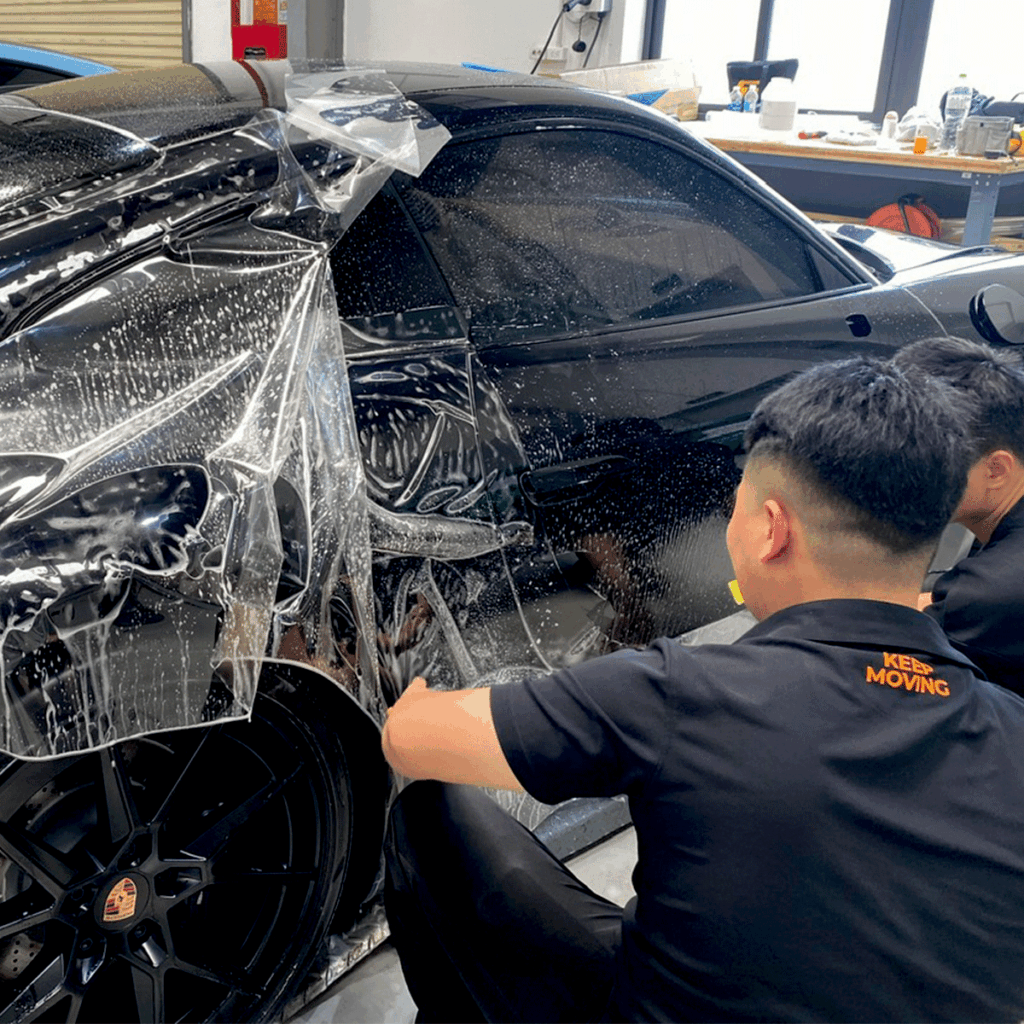
This is exactly when Paint Protection Film (PPF) becomes worth considering. Beyond limiting scratches from flying gravel, dirt, pressure washing, and minor bumps during everyday use, PPF also helps preserve the original tone of the paint and its gloss over time, so that every time owners look at their car, they can still feel the full presence that “paint character” that made them fall in love the moment they first laid eyes on it. In other words, PPF is a sacrificial layer, born to take the hit so the paint underneath doesn’t have to.
Here are some popular mass-market models and the colors Vietnamese buyers prefer most:
- Ford Ranger – White
- Toyota Yaris Cross – White
- Mitsubishi Xpander – White
- Kia Seltos – White
- Mazda CX-5 – Soul Red
- Hyundai Santa Fe – Black