

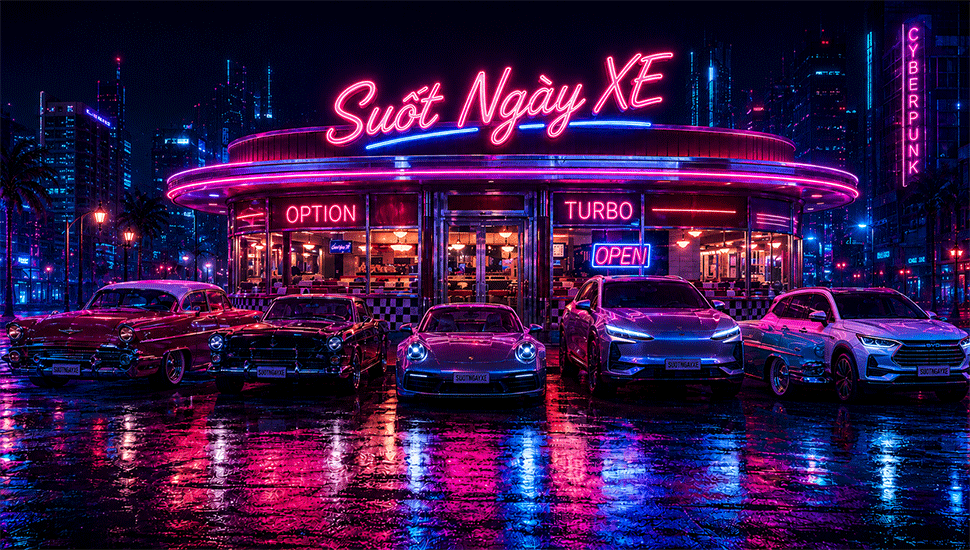
There are questions that seem simple at first, but the deeper you dig, the more you realize they touch on an entire cultural journey.
“Are Vietnamese people buying horsepower, or buying power?” is a question that suddenly surfaced when Suốt Ngày XE pulled the handbrake and sat down to edit an article introducing the newly launched The Wind God Lotus Emeya, 905 horsepower: an electric car equipped with a 2-speed gearbox.
To arrive at something like a full answer, we probably have to turn back the clock, to a time when four wheels only needed to block the sun and keep off the rain to make you hold your head high.
The 1990s: Four Wheels and a Simple Dream
Picture a small street in Hanoi or Saigon in the early 1990s. The country had just opened up. A Thai-made Dream motorbike was still the dream of the majority; a car, no matter the model or where it came from, be it a Mekong Star, Daewoo Matiz, Toyota Corolla, Mazda6, or Ford Laser, was enough to turn its owner into the center of attention on the whole alley.
Nobody asked how many horsepower the engine had, whether it was front wheel drive or rear wheel drive, and certainly nobody spoke of a luxury like “driving experience“. What people cared about was simply whether that car sat in their own front yard.
That was a period when power was measured by scarcity. A car, even a used one, however it had been imported, still carried absolute symbolic value. Horsepower back then was a luxury concept; power, on the other hand, stood right in front of the gate, visible and needing no explanation.
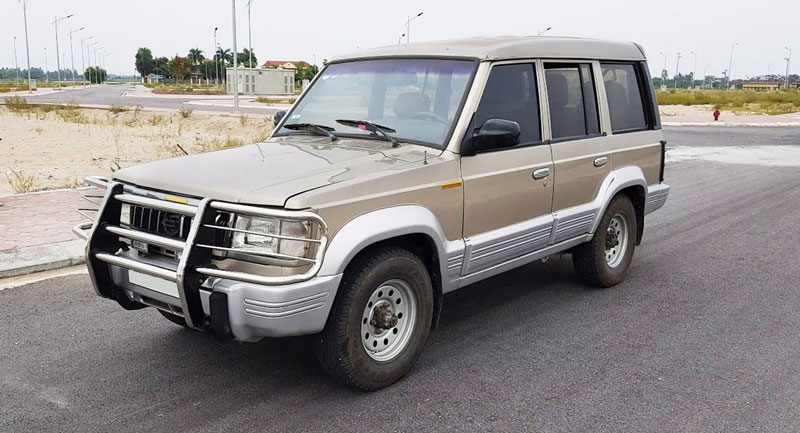
Those “no-name cars,” as people today jokingly call cheap, mass-market vehicles whose brand nobody could even identify, were the very symbol of an era of simple dreams: four wheels and a roof, enough to block the sun and rain, was enough to face the world with your head held high.
Four Energy Types, and a Frenzy of Choice
If the 1990s was an age of scarcity, the past three decades have been an age of abundance, so much abundance that it leaves Vietnamese buyers dazzled in front of a lavish automotive buffet: 40+ brands from all over the world offering more than 300 body styles, in every configuration: sedan, coupe, CUV, SAV, SUV, pickup truck…
- China: 13 brands
- Japan: 9 brands
- Europe: 9 brands
- Germany: 5 brands
- United States: 3 brands
- South Korea: 2 brands
- Vietnam: VinFast
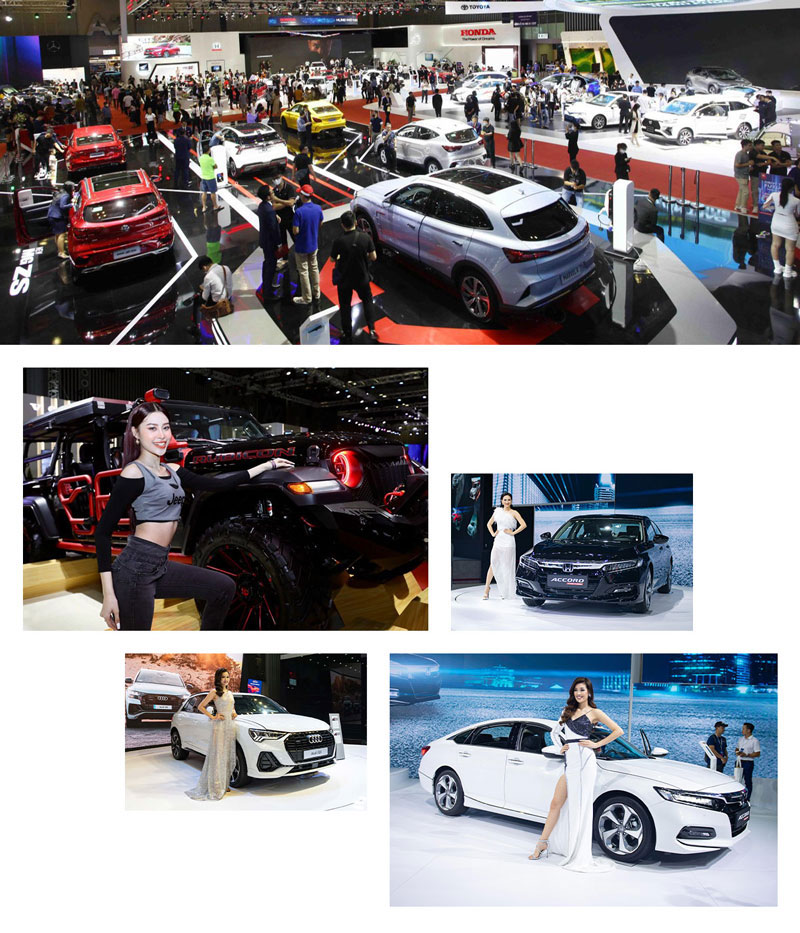
From a market that once knew only pure gasoline engines, Vietnamese drivers were introduced, one by one, to hybrids, combined gas-electric systems that helped optimize fuel consumption. Then came fully electric cars, carrying the promise of a smoke-free future, running so smoothly that all you hear is the sound of tires gliding over the road.
And more recently, electric-with-gas-backup EREVs, a smart hybrid solution in which the gasoline engine doesn’t drive the wheels directly but instead acts as a generator, charging the battery when needed, putting to rest the fear of “running out of money before reaching the market” that haunts so many new drivers.
Four energy types, four different operating philosophies, all coexisting side by side in a market that is still quite young, having only gotten started in 1995.
Four energy types, four different operating philosophies, all coexisting side by side in a market that is still quite young, having only gotten started in 1995. In many developed markets, the shift from gasoline to electric happened gradually, in clearly defined stages. In Vietnam, however, everything arrived all at once, right as Vietnamese people were rushing to learn to drive.
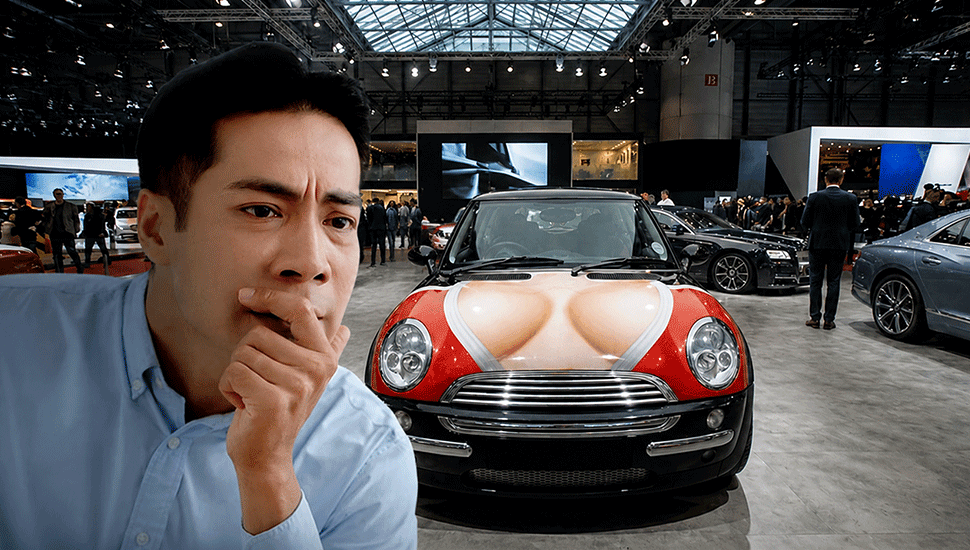
That “overabundance,” in the end, is also a kind of burden. Because the fewer choices there are, the easier the decision. When choices multiply to the point of overload, people fall into a state of constant hesitation, a psychological paradox often mentioned: the more choices there are, the harder it becomes for people to feel satisfied with their final pick.
The Earthquake Called Chinese Cars
(Setting aside geopolitical factors for the moment) If you had to pick the moment that reshaped the market over the past 5 years, it would certainly be the well-timed invasion of more than 10 Chinese car brands. No longer hesitant and testing the waters as before, this wave arrived with a systematic mindset: building factories, opening dealerships, blanketing the media, and attacking the mass market head-on with an almost identical formula.
That formula can be summed up in a now-familiar phrase: one point five turbo. From Omoda, Jaecoo, and Geely to MG and LynkCo, nearly every mass-market Chinese car model revolves around a 1.5-liter turbocharged engine, with output hovering somewhere between one hundred fifty and two hundred horsepower.
This is no coincidence but a carefully calculated economic equation: a 1.5-liter displacement sits just under the threshold for higher taxes, while also allowing manufacturers to form alliances and mass-produce on the same assembly line, pushing costs down as low as possible.
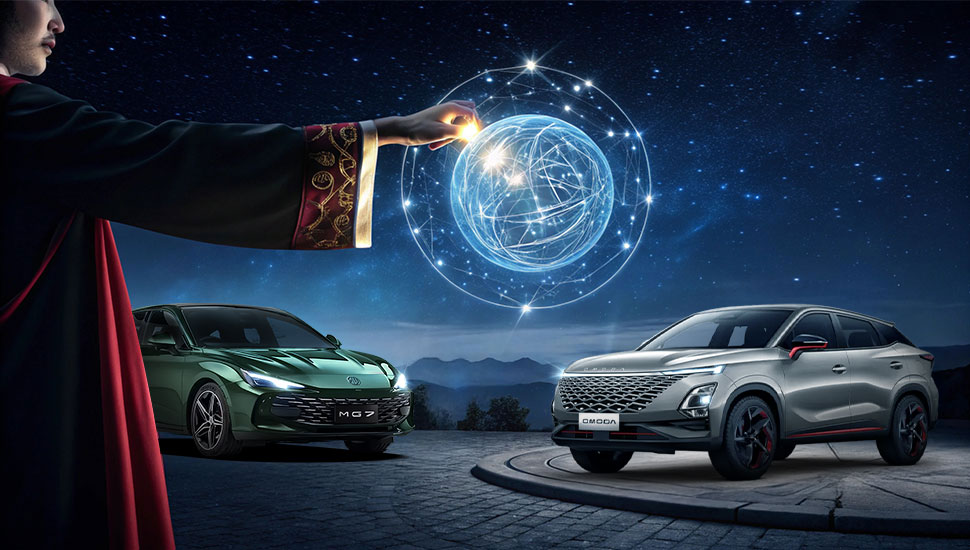
It is precisely this widespread 1.5 turbo formula that has left Vietnamese buyers both excited and headache-ridden. Because once horsepower became a commodity, no longer the privilege of the wealthy, the question of buying a car now revolves around just one thing: how much technological power you get inside that cabin. How many inches is the infotainment screen, how many colors are the ambient interior lights, how many features does the driver assistance system have, how many degrees does the camera cover…
Chinese cars don’t sell horsepower as a competitive edge, because nowadays almost everyone has roughly the same amount of it. What they sell, and what makes Vietnamese buyers ready to nod yes, is the feeling of power repackaged as technology, as comfort, as a luxurious experience at a price of five to six hundred million dong, something that used to require a full billion just to get a whiff of that luxury.
Luxury Car Power No Longer Reigns Alone
There’s no denying that Lexus, Mercedes, Audi, and BMW still have their own reserved parking spot on any street. Owning a car with the three-pointed star logo, or the four-ring logo, still shows a certain social standing, a certain taste, and a journey of accumulation substantial enough to enjoy that scent of luxury.
The power of a luxury car doesn’t lie in its technical specs or horsepower, but in the mind of the owner, and in the eyes of the person looking at them.
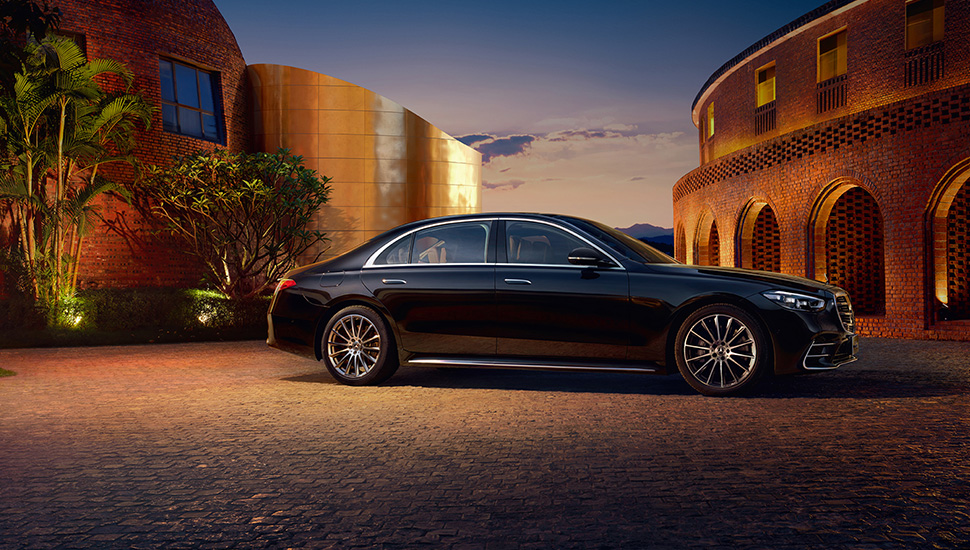
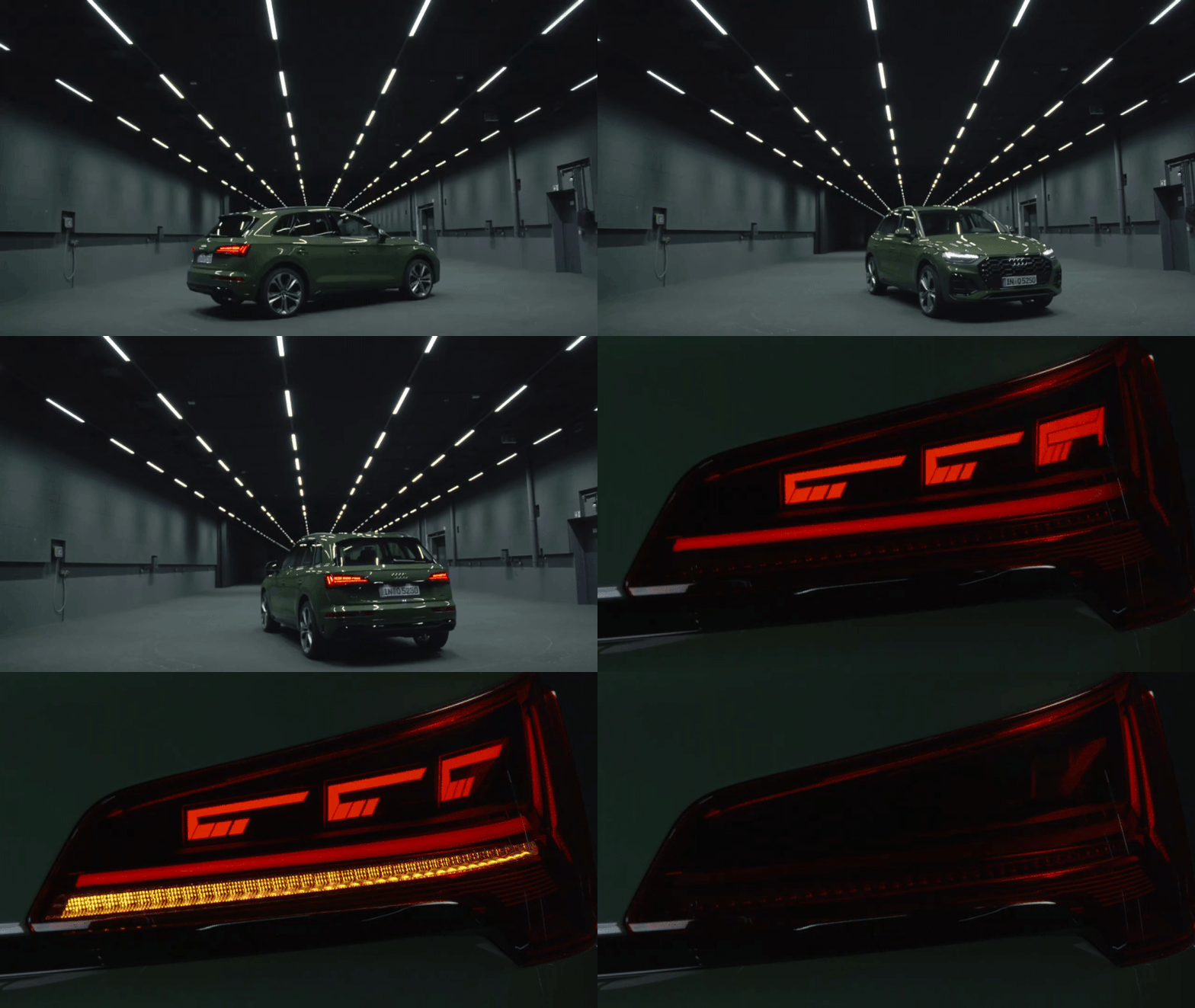
That kind of power, while it still exists, is no longer as exclusive as before. Mass-market cars priced under a billion dong today come loaded with options: power-adjustable leather seats, head-up displays, panoramic sunroofs, 540-degree cameras, blind-spot warnings, automatic emergency braking, features that used to be the privilege of the premium segment are now creeping into models that would have been looked down on just ten years ago.
The market-share pie of near-luxury cars has been forced to share, because their mass-market siblings have evolved far too quickly.
So, What Are Vietnamese People Actually Buying?
Back to the original question. Young people just starting out, with limited budgets but a hunger for tech experiences, tend to lean toward horsepower, toward styling, toward loaded option lists, toward that feeling of “getting your money’s worth.” Leading Chinese brands like BYD, Geely, LynkCo, Jaecoo, and Omoda are serving that need exceptionally well.
As for seasoned drivers who have been through a long journey, who have tasted enough pain with old BMWs and worn-out Mercedes, and who already hold a certain place in society, they instead seek out power: a kind of value that isn’t measured by horsepower or equipment, but by a certainty within themselves, the confidence that they know how to choose a car, drive a car, and enjoy a car.
But one thing is certain: the line between the two concepts of “buying horsepower or buying power” is fading a little more each year. As battery technology, electric motors, and EREVs keep advancing, and as Chinese brands keep upgrading their quality and building their brands more seriously, perhaps in another ten years the question of “buying horsepower or power” will no longer feel as sharply opposed as it does in 2026.
Because by then, horsepower and power may merge into one, fitting neatly inside a single car. The Wind God Lotus Emeya, a British heritage brand made in China, is a case in point: 905 horsepower, a 2-speed gearbox, floor it and it flies; an outstanding design, top-tier comfort.